




Food Packaging Material Testing: A Factory Checklist Before You Change Paper or Coatings
-
 autor
- 12th noviembre 2026
A fresh batch of paperboard may appear identical to the stock from your last purchase. Yet, it could bend quite differently. The surface might soak up printing ink in patches. The board could also become weak when it sits near a hot dish. These minor shifts carry great weight. For food brands and grocery buyers, such issues can transform a standard refill order into wasted inventory. They frequently lead to late product releases as well.
Testing your food packaging supplies offers your staff a reliable way to clear updates before heavy manufacturing begins. Here at Embalaje Hanlong, we draw on our background with toothpaste, fruit, and supermarket packaging. We apply this insight to support major retail initiatives. We also guide independent food vendors. Working side by side, we examine the precise features that affect daily operations.
Why Material Changes Deserve Attention in Late 2026
Buyers tracking trade updates have a fresh motive to inspect coating claims carefully. On October 21, 2026, the European Commission launched a consultation on bio-based plastic packaging. This initiative seeks firm evidence about physical performance and ecological impacts. It also weighs potential upcoming guidelines. This review process does not mean every plant-based coating is automatically recyclable. Furthermore, it does not guarantee that every finish remains safe for direct food contact.
Businesses currently face a pressing regulatory challenge. You must comply with Article 5 of the EU Packaging and Packaging Waste Regulation. Based on this directive, food-contact containers holding PFAS at or above specific thresholds are prohibited. You cannot introduce these restricted goods to the European market after August 12, 2026.
For any procurement department, the necessary actions remain quite straightforward. First, pinpoint the exact coating formulation. Then, study the certifications for your chosen regional market. Lastly, evaluate the fully assembled box design. A minor shift in barrier chemistry can modify oil resistance. This shift can also alter how the carton folds or sticks together. You must view ecological claims and structural strength as two completely separate clearance subjects. Secure distinct documentation for each category.
Three Checks Before a Material Reaches Production
A good test compares your current box with the new choice under the exact same conditions. You need to start by putting the real food inside. Use the correct serving heat and the normal storage time. You must also follow the regular shipping route. Teams have to agree on passing scores before the check starts. This shared understanding makes sure that buyers, quality staff, and factory workers judge the samples fairly. Everyone uses the same rules and records.
Check Food Contact and Barrier Performance Together
First, you need to see if the paper directly touches the food. Sometimes, it just holds a closed plastic bag. A carton for wrapped cookies needs very different things than a box for hot fried chicken. You must ask for official papers showing what the material is made of. These documents also need to cover where the box will be used. A simple sales brochure from the supplier is never enough.
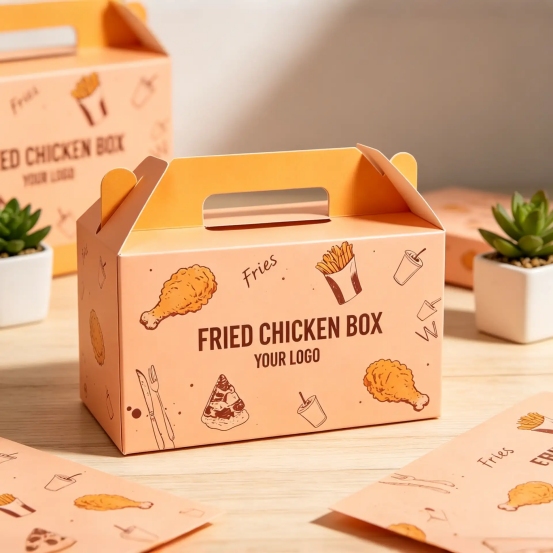
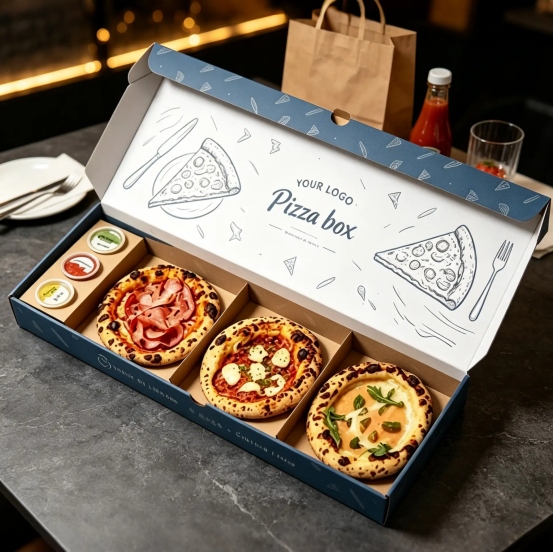
Next, you have to test the box with the real food inside. Write down the exact time when grease spots first show up. Watch to see if any wetness comes through to the outside. You also need to see if the bottom gets weak during the normal wait time. For cajas de pizza con logo, look at the base, the folds, and the lid very closely. Do this check after putting hot food in and copying a normal delivery trip. You should also look at the printed parts to make sure the ink stays put.
Having a surface that cleans easily does not mean the product is safe for food. A simple grease test also does not prove that the box meets strict PFAS rules. You must provide real scientific facts for every health issue.
Check Creases, Glue Bonds, and Packing Speed
Many things decide how well a carton holds its shape. These details include board thickness, stiffness, paper grain, and outside coatings. If you change the paper without checking the fold lines, you might get broken corners. You might also get flaps that pop open suddenly. A new coating can easily ruin the glue grip. This problem happens even if you use the exact same glue from the last order.
You should ask the factory to make a small batch of fully built cartons. Do not accept just flat pieces of test paper. Take these sample boxes and fold them. Close the flaps and check the glued edges after a set drying time. You should also do a fast packing test. Make sure you use the real warehouse workers who will fill these boxes every day.
Our past work with toothpaste cartons shows a very important point here. Sharp folds and strong glue are vital during fast, non-stop packing work. This same strict testing helps a local bakery, too. It stops the workers from wasting valuable time fixing bad cartons during a very busy day.
Check Strength After Moisture and Handling
Testing the strength of dry paper only tells you part of the story. A fruit box might pass a quick lifting test at first. But, it could get soft after waiting in a cold room. A meal box might seem strong when it is totally empty. It could still fold badly once you put hot food in it. Always test the package after putting it in real-life situations. Do not just test it right after the factory glues it.
When you buy fruit packaging boxes, you must check a few specific parts. Look closely at the handles, the air holes, the inside walls, and the bottom piece. Always test these spots using the real planned weight. A test for 5 kg of heavy oranges needs a very different plan than a box for soft, gentle berries.
Sometimes, small shop boxes travel inside a bigger shipping carton. When this happens, you must test the whole group together. Add stacking tests and normal shipping bumps to your trial plan. Write down the room heat, the air moisture, the total weight, and the test time. Keeping these notes lets you compare later tests in a fair way.
Apply the Tests to the Food You Actually Sell
Your test plan must fit the product inside the box. Our custom food packaging boxes handle many different food kinds. Each food group has its own special weak points:
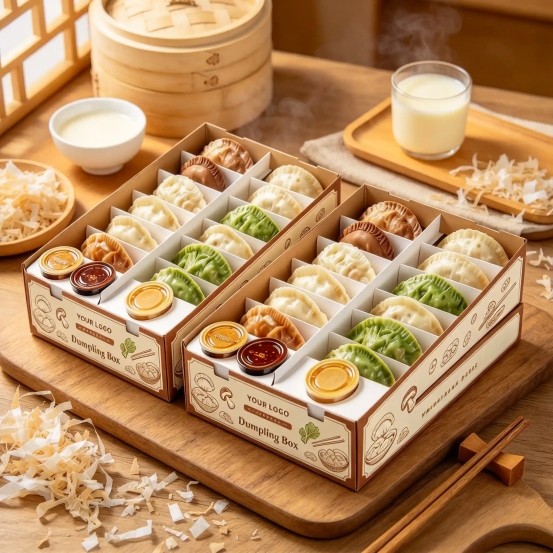
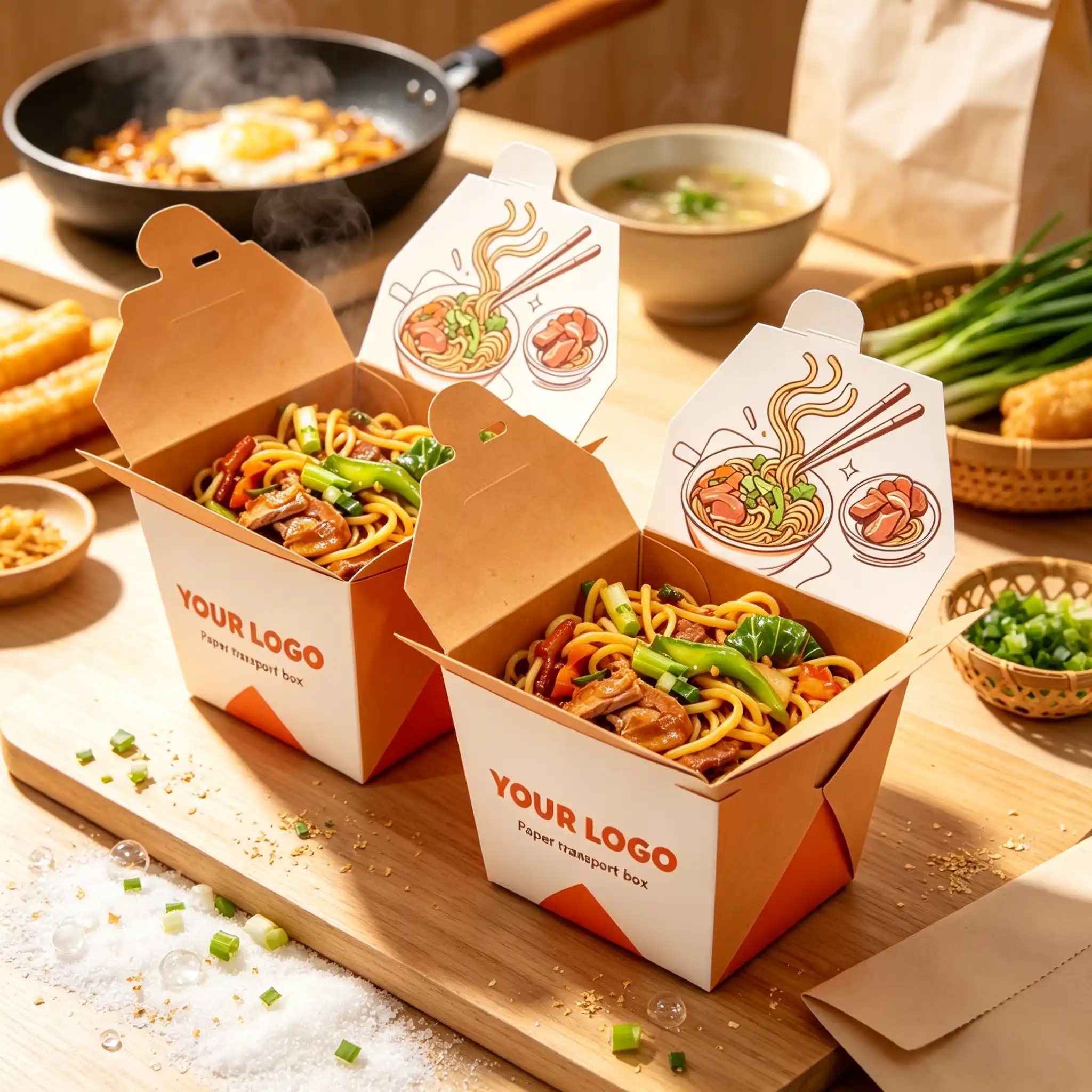
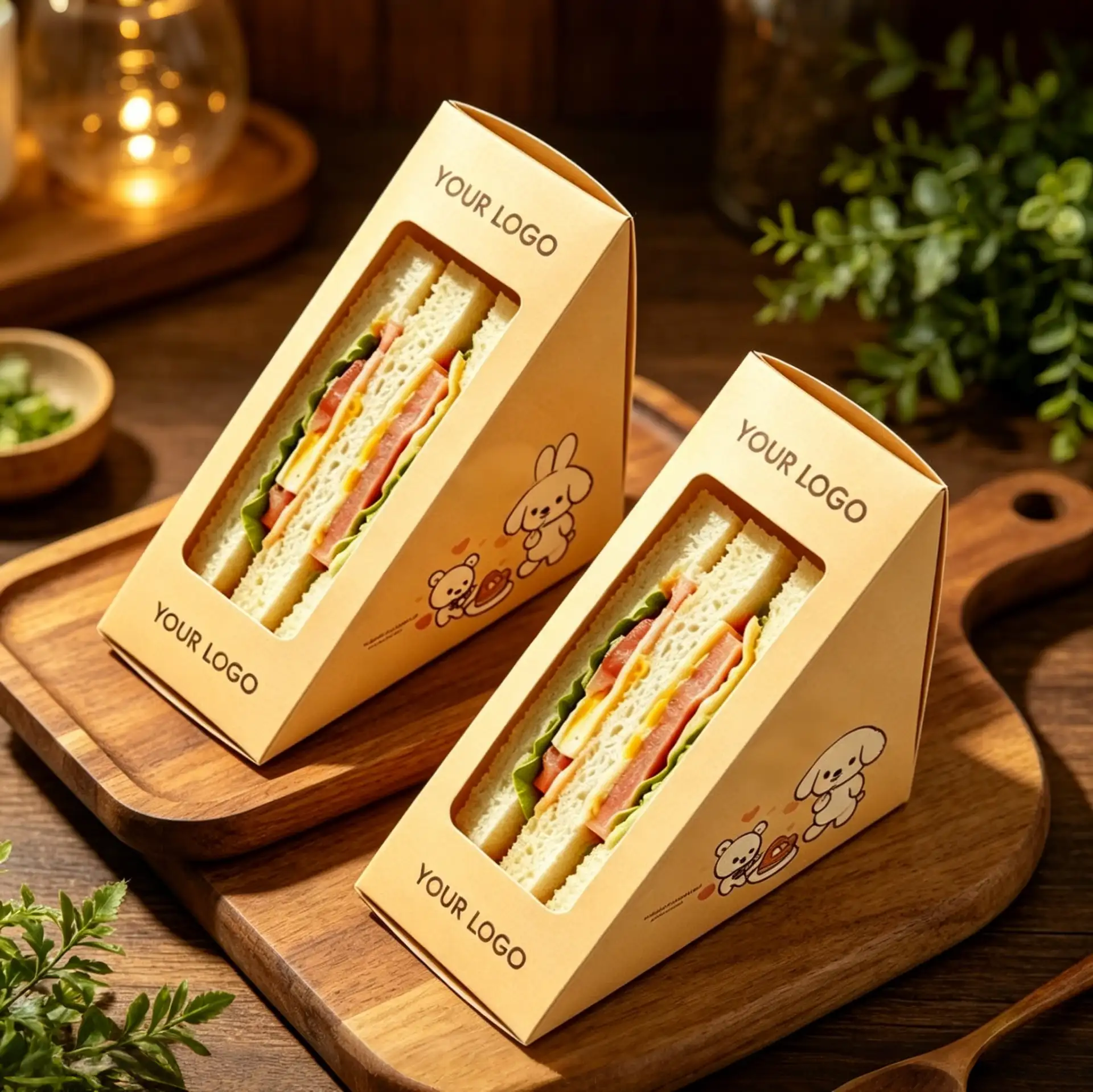
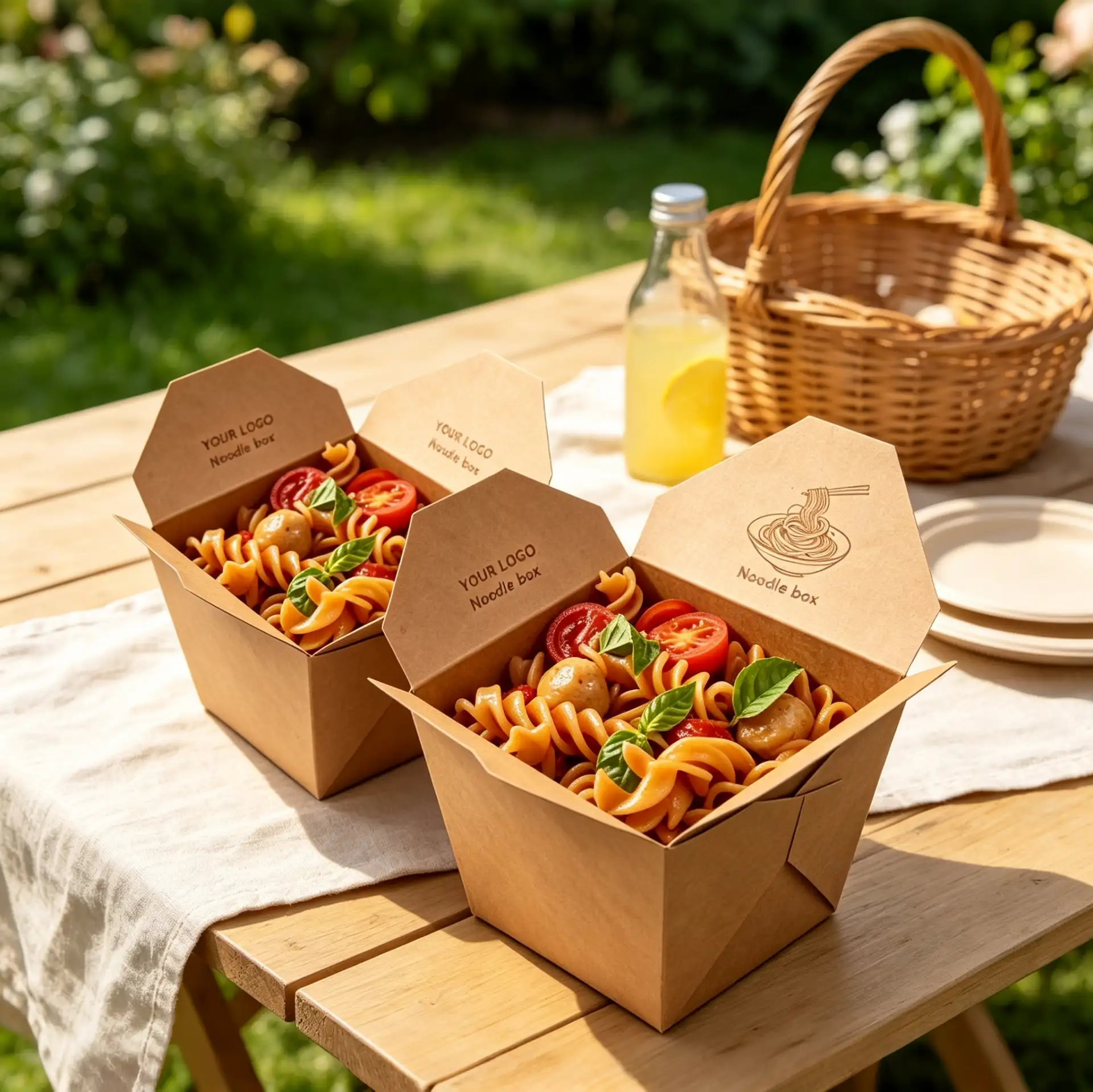
Hot and takeaway foods: Sandwiches, noodles, dumplings, pizza, sushi, burgers, hot dogs, and fried chicken need special care. Their boxes need tests for high heat, extra wetness, hot grease, or cold delivery ways.
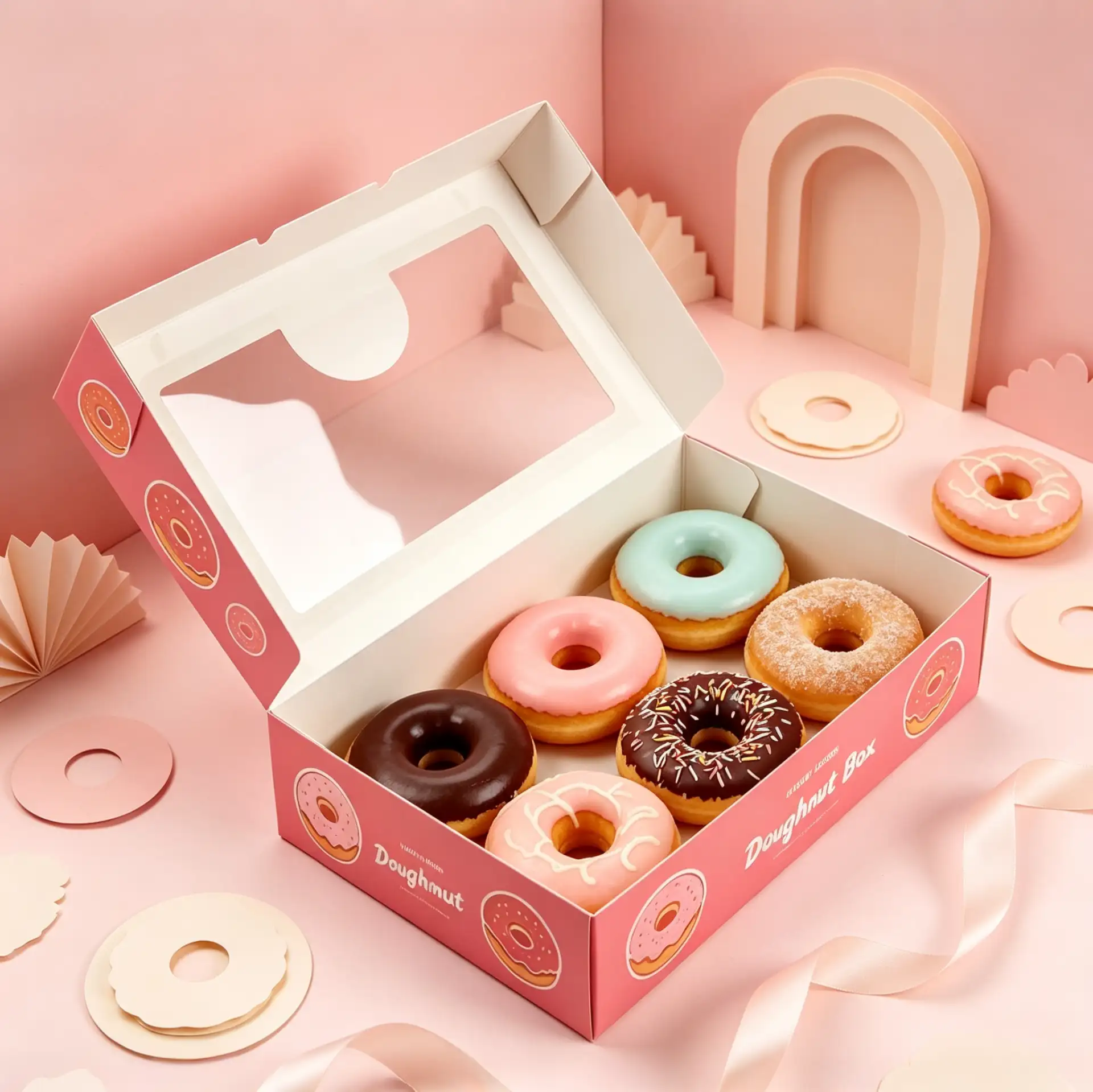
Bakery and snacks: Bread, cakes, cookies, donuts, egg tarts, churros, popcorn, cereal, nuts, candy, and chocolate boxes need the right physical strength. They also need good surface safety and proper storage rules.
Fragile, chilled, and bottled products: Eggs, fresh fruit, ice cream, honey, and cold drinks need extra care. You must watch for sudden bumps, water drops, and leaks from inside cups. High carrying strength is also very important here.
Our product list also includes pet-food packaging. This group needs a very specific material plan that fits the heavy contents.
You should pick the final box shape only after you know these basic needs. A sliding drawer box works great to sort wrapped chocolates. At the same time, a thick, stiff box often fits a costly food gift set. A birthday cake box needs a lot of extra room above the icing. It also needs a very flat, steady bottom. But, these nice outside shapes never take the place of a proper food-safe paper lining. They also cannot take the place of a closed inner plastic bag.
Link Factory Records to the Approved Sample
Food packaging quality control works much better when your notes clearly show the approved items. You must keep all the facts in one place. Save the paper details, the coating facts, and the newest design drawing. Also, keep the final art file, the glue rules, and the passing test scores together. Give every approved real sample a clear tracking number. Both the buyer and the factory teams need to find this number easily.
En Hanlong Packaging, nuestro servicio de embalaje personalizado connects many different steps. We manage structural design, material choices, sample making, printing, cutting, and gluing in one building. This setup makes it much easier to discuss material changes. We can quickly see how a new paper changes every step of the factory work.
Before you pay for the final order, you and the factory must agree on three basic rules:
Substitutions: You must clearly say which material changes need a written signature and new testing.
Production checks: You need to set the exact box sizes and the needed lid closing strength. You must also set the print color goals and explain how workers will report bad boxes.
Repeat orders: Always save the written rules and one perfect real sample. Set up a clear way to check any future changes.
A good paper packaging maker will tell you exactly who handles each quality step. Small food stores get a lot from a simple, short test run. On the other hand, big grocery brands might need to test five different box sizes and many art files. The amount of proof should always match the size of the project. You should never make extra paperwork just to have it.
Review Certificates by Their Actual Scope
Hanlong Packaging is holding live certifications of ISO 9001, FSC and HACCP We also deliver the test reports that are needed. These paper should always be verified with these documents whether or not currently available. You are also required to check that the documents apply on your type of the product. You need to also validate that the paperwork is for your product type.
Those official papers answer completely different business questions. ISO 9001 is a standard that addresses general quality management. FSC label deals with safe forest farming and tracking wood supply chain. HACCP: Prevent food-safety hazards from entering the plant.
Conclusión
It is a huge decision for any factory to change your packaging supplies. This evolution goes way beyond price per unit. Factors such as the grade of paper, plastic layers, crease marks etc. and humidity in storage make a large difference too! They also dictate whether the finished carton will properly contain your product. The data pertaining to all these minor parts can connect with an overall good food packaging material test. But you have to do this one first, before making the purchase for your next order. The first thing you should do, is to sample the real foods. Examine adhesive solid samples more carefully. Review the safety papers thoughtfully. Then, write down the precise specifications which must be adhered to by the plant. Toothpaste boxes, fruit trays and store displays we handled in the past. This experience allows us to ask critical questions right from the onset. Checks with real food also validate the fresh box architecture. Every business will greatly benefit from having a strict framework. That applies equally to a small local coffee shop and large retailer. These rules make future material changes, routine visits to the facility and SIPs simple processes.
Preguntas frecuentes
Q: What should food packaging material testing cover?
A: Evaluations need to verify the food-safety records. They must also measure how well the grease barrier holds up. In addition, they should assess the crease folds, the glued seams, and the overall carton durability. You have to examine these traits in actual warehouse and transit environments.
Q: Can a fruit box be tested with a 5 kg load?
A: Yes, that is completely possible. You need to place the real 5 kg of produce right into the carton. After that, inspect the carrying cutouts and the load-bearing capacity. You must also evaluate the paperboard once it rests in a humid, wet space.
Q: Does FSC certification prove a food box meets PFAS limits?
A: No, it certainly does not. The FSC framework merely monitors sustainable forestry practices. You will need independent laboratory reports to confirm PFAS compliance. These specific trials must align with your exact paper stock. They also need to follow the laws of your specific country.