



From Toothpaste Cartons to Fruit Boxes: Choosing a Factory That Knows Your Packaging
-
 autor
- 29th Outubro 2026
A packaging project often starts with a specific need. You might need a fruit carton for a supermarket buyer. Perhaps you want a first run of takeaway boxes for a local food company. Or maybe you require toothpaste cartons for a personal-care line. These items are clearly not interchangeable. Their materials and shapes differ greatly. They also have distinct printing needs and handling conditions. Still, buyers in every category face a very similar hurdle. They must turn a basic product requirement into reliable packaging. This packaging must also perform well in actual sales channels.
Hanlong Packaging has deep experience across food, fruit, toothpaste, and retail packaging. For larger buyers, this background helps guide talks about repeat orders. It also aids planning for multiple sizes and shelf displays. On the other hand, smaller food businesses might need extra help. They often require guidance to shape an initial brief and check a sample. In both situations, early communication is vital. The factory needs to know how the item is packed, stored, and displayed. They also must understand how it ships. Knowing these details early makes it much easier to ask the right questions.
Industry news constantly focuses on cutting down wasted material. It also highlights better recyclability and shifting market demands. These ongoing topics make early planning highly valuable. Your choices regarding materials and structure directly impact costs. They also change shelf appearance and packing speeds. Furthermore, these decisions dictate the eventual route to recycling. A smart packaging discussion always begins with the product itself. It should never start with a box style picked in isolation.
Start with the Product and Its Journey
You should map the journey from packing to purchase before selecting paper or print. Will the package sit on a standard supermarket shelf? Might it travel through rough parcel delivery networks? Will it move through chilled or highly humid environments? You must also consider the item itself. Is the product fragile, oily, or heavy? Is it sold as a complete set? The answers to these questions are crucial. They determine how much physical support the pack truly needs. They also highlight which specific details require checking in a prototype sample.
Fresh fruit and supermarket programs
Fruit boxes must perfectly match the size and weight of the fresh produce. They also need to fit the packing method and the total travel distance. A specific design might require special openings or extra ventilation. It could also need room for internal dividers and a very tough outer structure. The ideal solution always varies depending on the fruit and the exact sales channel. For instance, a carton made for direct shelf display has unique priorities. These differ greatly from a box built purely for bulk transport.
Hanlong Packaging’s fruit packaging boxes are part of a much broader food packaging range. Buyers managing a supermarket program must look beyond the single box. You need to think about how the filled units stack together. You must also consider how the printed artwork looks from a distance. Finally, think about how these boxes fit inside a larger transport carton. Sharing these exact needs early is very helpful. It gives the factory a solid foundation to suggest a good structure. It also helps them prepare a highly accurate sample.
Bakery, takeaway, and everyday food packs
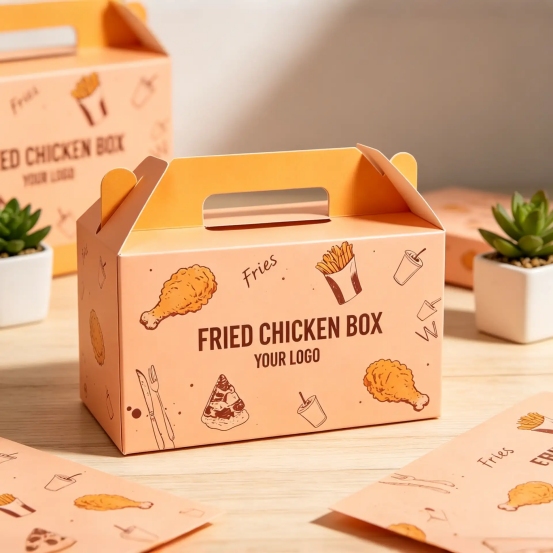
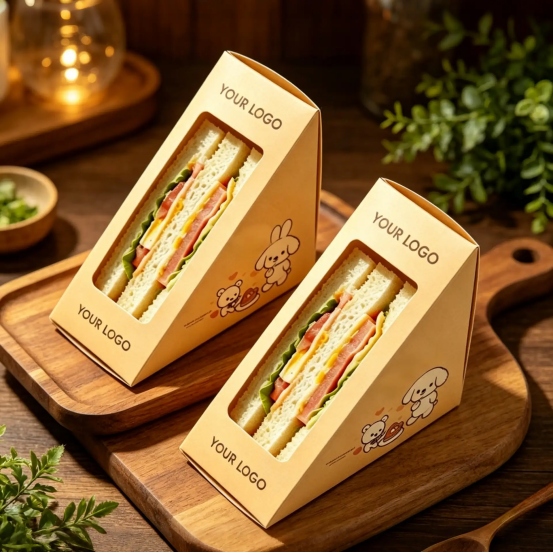
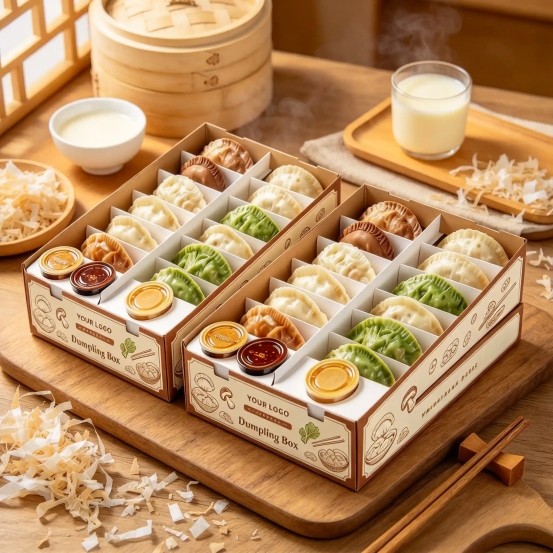
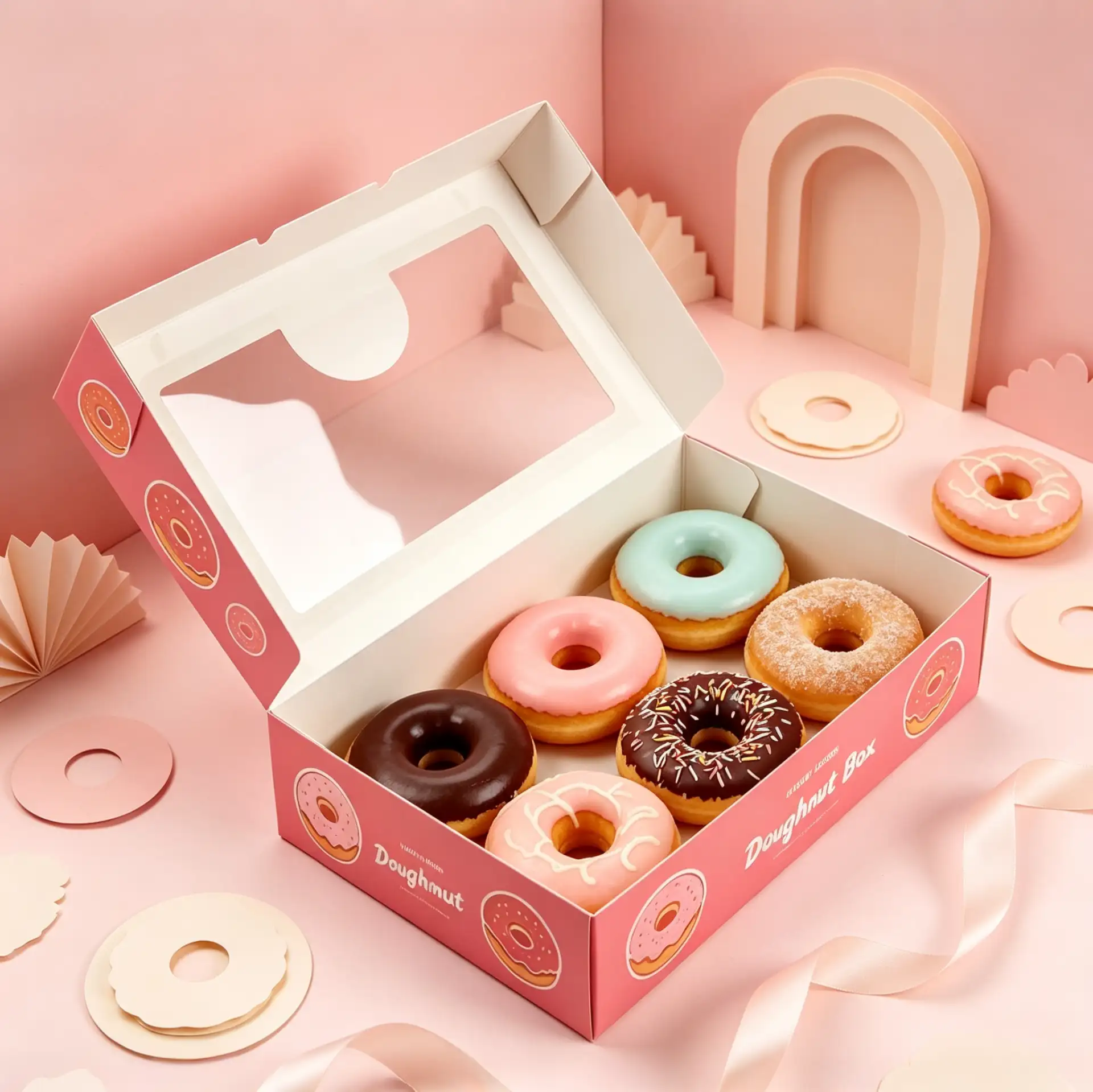
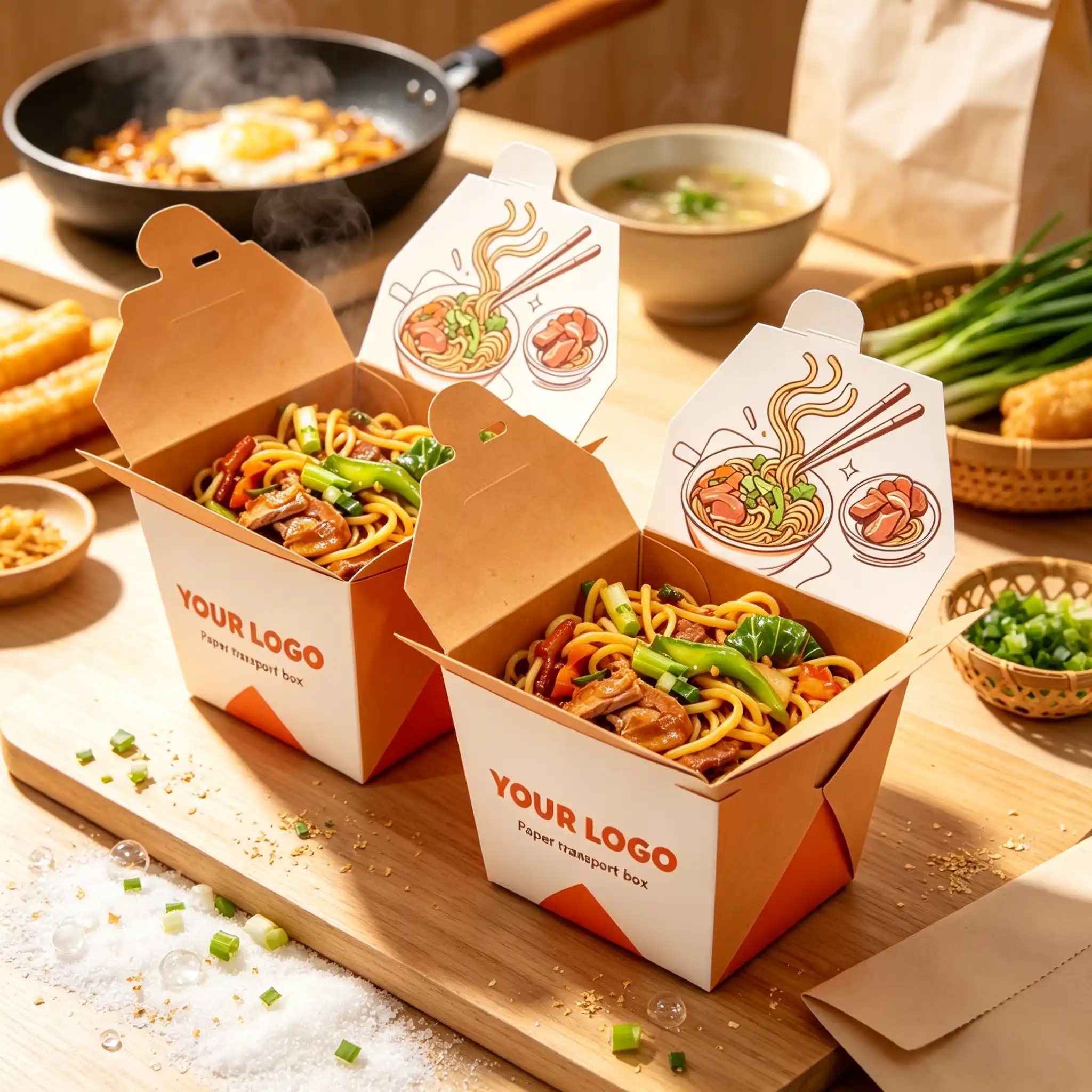
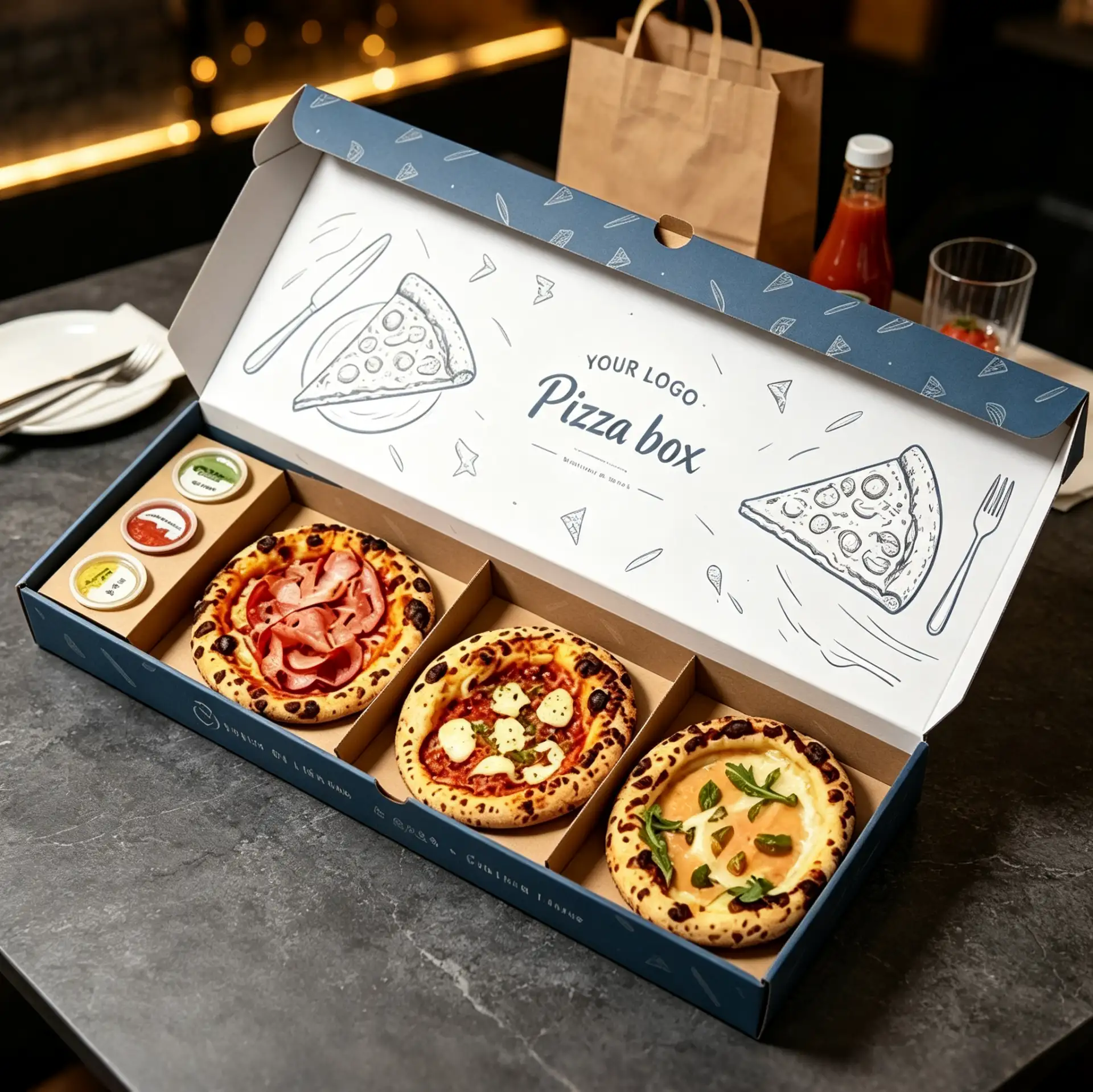
Food brands frequently handle multiple packaging formats at the same time. Bakeries might require distinct boxes for cake, bread, or donuts. They also need them for cookies or egg tarts. Restaurants often need sturdy packs for pizza, sushi, burgers, or fried chicken. Many other shops sell candy, chocolate, nuts, and ice cream. They might also offer churros, popcorn, hot dogs, beverages, and even pet food. Every single format requires a unique balance. This balance involves size, easy access, physical protection, and visual display.
Nosso food box range covers many of these popular categories. A caixa de pizza can prominently display a logo. This helps hungry customers quickly recognize the restaurant. However, branding must always work alongside basic practical checks. You must verify the fit, lid closure, and overall stackability. You also need to consider the harsh conditions of delivery. The correct package properly serves the food. It also supports the exact way customers receive their meal, rather than just showing off pretty artwork.
Smaller food companies often lack an in-house packaging specialist. A factory that truly understands food applications can step in to help. They can review your dimensions, paper choices, coatings, and custom inserts. After that, they will create a physical sample for a practical, hands-on review. This expert guidance is incredibly useful before locking in a final design. Making changes at this early stage is quite simple. It is much harder to alter things once mass production actually starts.
What Cross-Category Factory Experience Adds
Having experience across various product types does not mean every package uses one identical design. Instead, it shows that a factory has handled many different production demands. This background allows them to ask highly focused questions. They do this long before suggesting a final solution. For buyers, a truly practical process should link several steps together. It must connect the initial brief, chosen material, and physical structure. It also ties in the prototype sample and the final bulk order. There should be very clear quality checks at every stage along the way.
From specifications to a sample
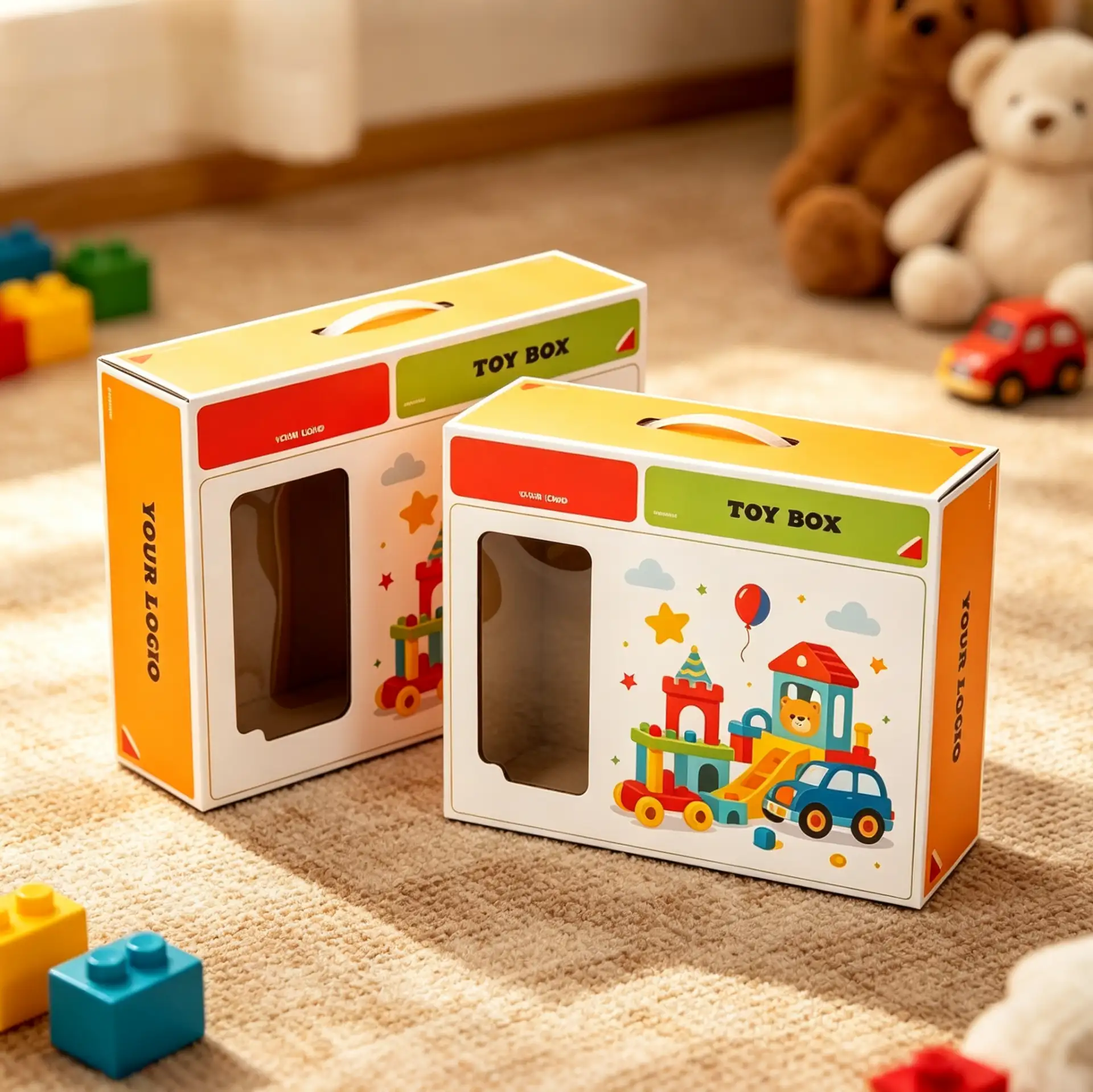
You should provide plenty of useful information upfront. This includes the product’s exact length, width, height, and weight. You also need to share the packing method and total order quantity. Do not forget the destination market and the planned sales channel. For food items, buyers must clearly explain direct contact requirements. They should also ask about the specific documentation needed for the chosen materials. For retail goods, you must think about proper barcode placement and shelf dimensions. You also need to plan the opening style and decide if shoppers need a clear window to see the contents.
As a reliable fabricante de embalagens de papel personalizadas, Hanlong Packaging offers extensive support. We guide you through box-style choices and material selection. We also handle design confirmation, printing, finishing, full production, and final delivery. Physical samples are great tools. They let buyers check the size and overall look before placing a massive bulk order. Take our egg tart box listing as a good example. It clearly specifies food-grade, FSC-certified paperboard. Even so, buyers must always verify the paperwork. You need to ensure that all certificates and product documents match your exact material. They must also align with your specific product and destination market for every single order.
Food boxes and toothpaste cartons have different jobs
Food packaging often has to deal with tough elements. It must manage grease, trap moisture, and handle specific serving portions. It also requires totally safe handling. On the flip side, toothpaste packaging boxes have a different job entirely. They merely need to hold a tube securely. They must also display product information clearly and sit neatly on a bright retail shelf. A factory with solid background in both areas is very helpful. They can easily discuss these completely different needs. They will never treat one product’s unique solution as a lazy default for another.
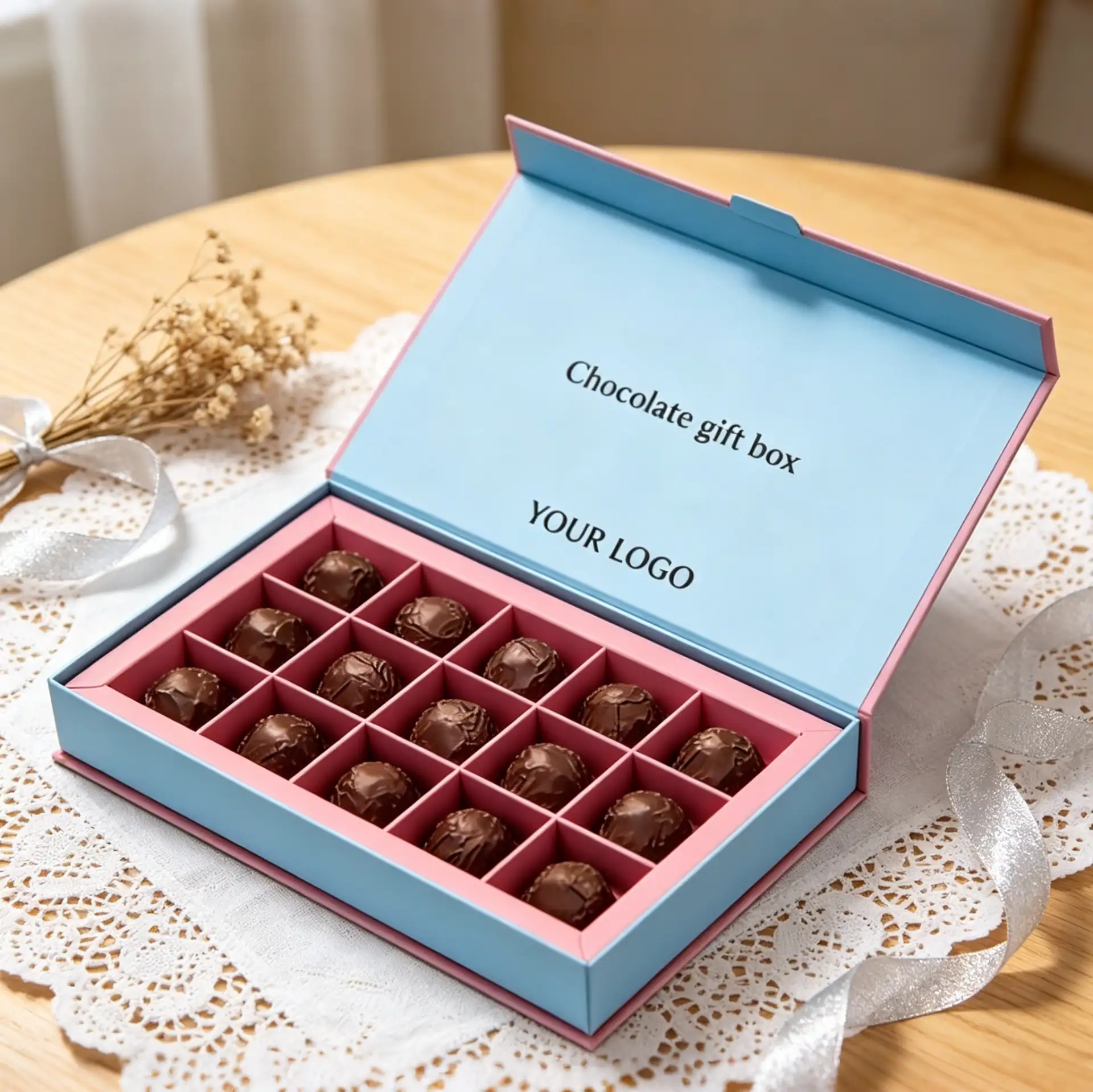
Hanlong Packaging has proven experience with toothpaste packaging. We also excel at making fruit and food boxes. This wide breadth of knowledge greatly helps buyers who manage mixed product lines. It allows them to coordinate their packaging talks smoothly. At the same time, it keeps every single format perfectly suited to its actual use. The exact same rule applies to fancy presentation structures. A packaging drawer box or a rigid presentation box might look great. A birthday box package could also perfectly suit a luxury gift set. However, you should never confuse these fancy formats with pure packaging designed strictly for direct food contact.
Make Material and Waste Decisions Early
Truly sustainable food packaging goes far beyond a simple green material label. Buyers should ask exactly how much paper a specific structure uses. They can also check if the different components easily separate. Furthermore, you must learn what special coatings or plastic windows mean for trash disposal in your target market. At the very same time, the packaging absolutely must protect its contents. Any physical damage, messy leakage, or spoiled food creates terrible waste. A slightly thinner box will never solve those serious problems.
You should ask your supplier to explain all available paper options using very clear terms. Some markets have highly strict rules. These might involve food-contact safety, local recycling, or strict labeling laws. Always confirm these exact requirements with a proper compliance team. Do this well before you approve any final artwork. Getting a fully filled sample is always worthwhile. It clearly shows if your warehouse staff can pack the item easily. It also proves whether the package stays stable under pressure. Finally, it confirms that the customer-facing design remains crisp and clear.
The sturdy outer transport carton matters just as much. It must snugly fit the smaller inner packs. It also needs to stack well for the planned shipping route. You should avoid any excess empty space whenever practical. For supermarket packaging, you must closely coordinate the retail unit with the final shipping setup. Brands gain a huge advantage when they consider all these choices together. They can drastically reduce annoying late revisions. They also make a much better-informed decision regarding physical protection, total material use, and final store display.
Conclusão
The very best packaging brief always starts with the core product. It then follows that item right through packing, tight storage, long transport, and final sale. Fruit suppliers desperately need cartons perfectly suited to their fresh produce and specific retail channels. Bakeries, busy restaurants, and growing food brands require a wide choice of formats. They need these to handle many different products. Toothpaste cartons bring a totally different set of shelf display and information needs. Hanlong Packaging’s broad experience across all these categories is a huge asset. It helps buyers confidently discuss structure, material, and printing. It also speeds up talks about physical samples and relevant documentation much earlier in the process. Always share your exact dimensions, total weight, and daily use conditions. Do not forget to list the order quantity, destination market, and strict certificate requirements before approving any design. A highly clear brief will not magically remove every single decision. However, it gives your packaging partner a very practical foundation. This allows them to recommend a box that truly fits the product and matches the exact way your customers buy it.
Perguntas frequentes
Q: What information helps a factory recommend a box?
A: You should provide exact dimensions in mm and the total weight in g or kg. Also include specific product details, the order quantity, and the final destination. Finally, explain exactly how the pack will be used every day.
Q: Can Hanlong Packaging make fruit and takeaway boxes?
A: Yes, we certainly can. Please share the exact product size, proposed artwork, and expected handling conditions. You should also mention your target market so we can properly discuss a highly suitable sample.
Q: Are certificates the same for every food box?
A: No, they are not. You must carefully verify all documents based on the selected material and specific product use. You also need to check the exact rules for your final destination market.