




How Can You Buy Shipping Boxes That Match Different Product Sizes and Uses?
-
 author
 - 11th September 2026
Selecting shipping boxes involves more than just looking at a basic size chart. Food and supplement products often travel in various containers. These include bottles, pouches, jars, trays, or even gift sets. Each specific format requires a unique balance. You must consider fit, overall strength, and moisture control. Visual presentation and final cost also matter greatly.
This helpful guide explains how to purchase shipping boxes for various product sizes and specific uses. It offers highly practical advice for food brands, supplement sellers, and growing e-commerce teams. Furthermore, it highlights the modern shift toward right-sized, recyclable packaging. This type of packaging performs reliably in busy warehouses. It also works perfectly at the customer’s front door.
Start With the Product, Not the Box
You should select a box only after mapping out the complete product journey. First, measure the actual item. Next, think about how workers will handle, store, display, and deliver it. Food items might release natural oils or extra moisture. Meanwhile, supplements require a very clean presentation. They also need strong protection against crushing forces. A truly useful packaging specification includes much more than basic length, width, and height.
Record the Full Packing Profile
Before you request any samples, prepare the exact product dimensions in its fully packed state. Remember to include the cap, label, pouch seal, and tray. You should also account for the inner wrap and any printed leaflet. For a supplement bottle, record the exact bottle diameter and total height. Note the closure shape and the total number of bottles shipped together. For food items, add the expected temperature and potential grease levels. Condensation and physical stacking conditions are also important. These specific details help a packaging manufacturer greatly. They can then recommend a sturdy structure that fits the real product perfectly, rather than just a basic showroom sample.
- Measure: Accurately check the product length, width, height, diameter, and total packed weight.
- List: Identify any fragile parts, sharp corners, and loose components. Also note surfaces that might easily scuff.
- Describe: Explain the warehouse stacking methods and courier handling processes. Include cold storage needs and the expected shipping distance.
- Set: Decide the target quantity per box. This ranges from a single item up to a multi-pack or a special gift set.
Choose a Structure for the Job
Once your packing profile becomes clear, compare different structures based on their main function. A simple mailer might suit a very light pouch well. However, a heavy glass bottle likely needs a strong outer carton along with a tightly fitted insert. A gift pack requires an excellent visual presentation. Conversely, a standard warehouse shipment demands high compression strength. Very often, the absolute best choice combines a standard product box with a durable transport carton.
Food Boxes Need Clean Protection
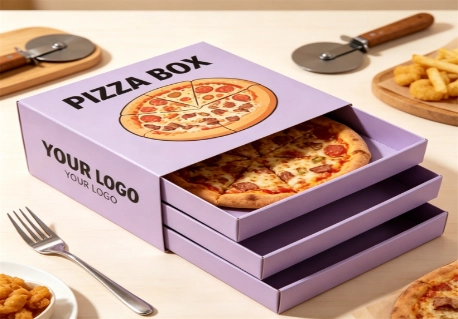
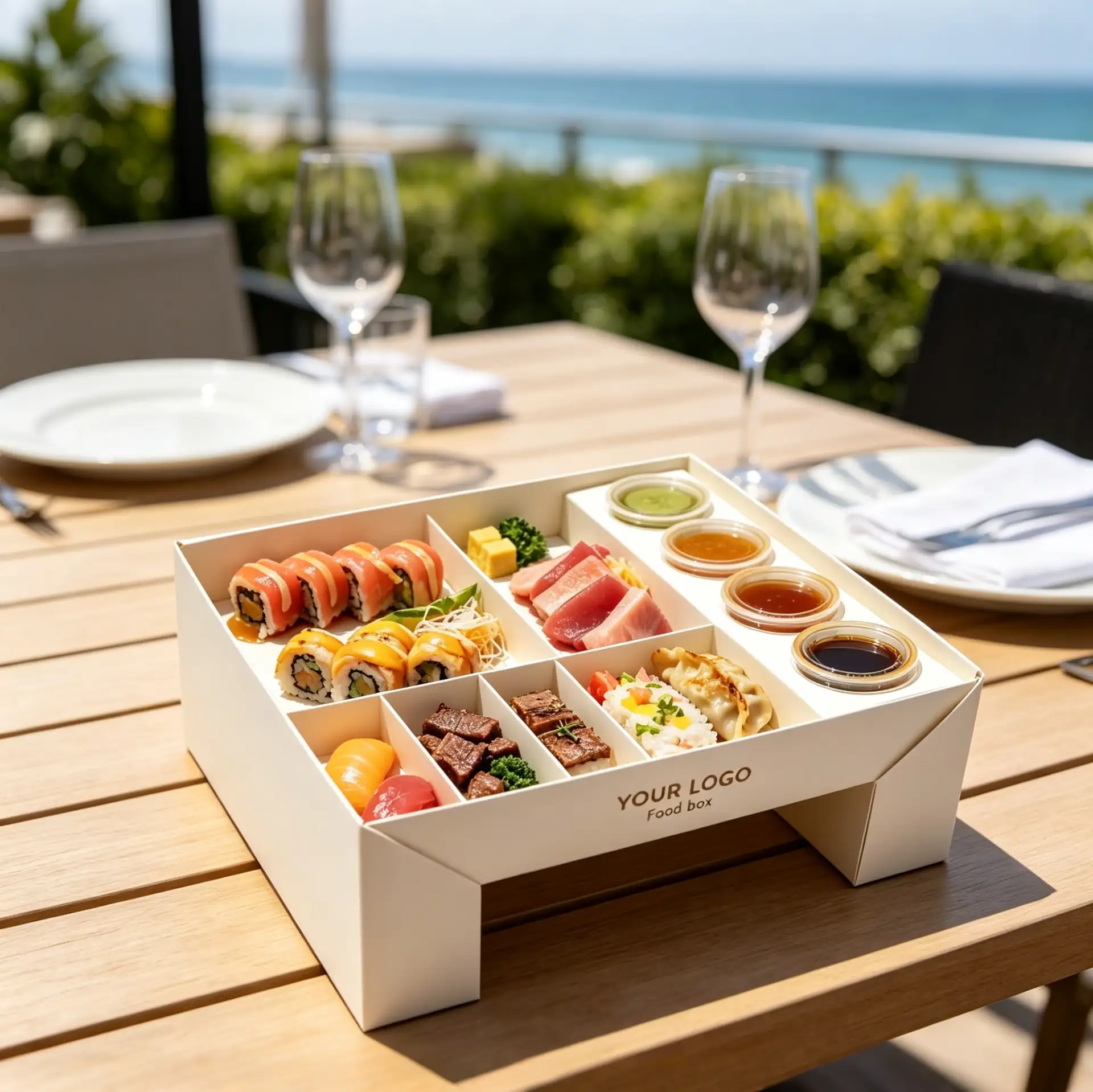
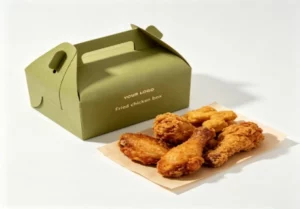
For takeaway and ready-to-eat products, food shipping boxes must match specific heat, oil, and ventilation needs. A burger, sweet pastry, fresh salad, or hot fried chicken meal might need a special grease-resistant surface. They also require small openings to reduce trapped steam. A sturdy carry box with reinforced handles safely supports much heavier meals. Meanwhile, a simple fold-lock box greatly speeds up busy restaurant service. Buyers searching for a reliable caja fried chicken format should always check the lid carefully. It must close securely without crushing the delicate food inside.
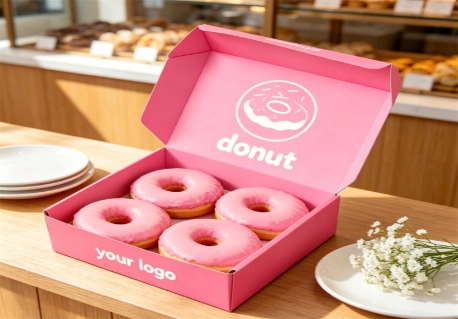
Hanlong Packaging proudly offers custom food boxes for fried chicken, juicy burgers, hot pizza, noodles, fresh salads, and full takeaway meal sets. The overall size, colorful print, and physical structure are carefully adapted to fit each specific use case.
Supplements Need Fit, Stability, and Trust
Supplement packaging boxes must hold bottles or small sachets very firmly. This prevents them from rattling during rough transit. For fragile glass containers, you can use thick paperboard dividers or molded pulp. EVA foam or other suitable inserts can also effectively reduce physical impact. You should leave just enough room for proper cushioning. However, do not leave enough empty space for free movement. A 250 mL, 500 mL, or 1 L carton should always be rigorously tested at its full packed weight.
Use Right-Sized Corrugated Shipping Boxes
Right-sizing remains one of the most practical packaging trends today. This is especially true for food and daily health products. An oversized carton simply uses more paper board and extra filler material. It also occupies much more storage space. Consequently, this mistake may significantly raise your parcel delivery charges. On the other hand, an undersized carton applies bad pressure to box corners and printed labels. It also stresses closures and delicate seals. The main target is a highly stable fit. You just need enough inner clearance for safe protection.
Match Board Strength to Weight and Distance
A standard corrugated carton uses inner fluted paper. This clever design helps absorb sudden shocks and firmly supports heavy stacking. The chosen board grade should accurately reflect the total weight and travel distance. You must also consider local humidity, pallet height, and daily handling frequency. A basic single-wall structure might suit a very small pouch perfectly. However, heavier glass bottles or large mixed cases usually need a much stronger board. They might also require thick dividers or a tough double-wall design.
You should always ask for professional compression or drop testing. This step is vital when the product is highly fragile or quite valuable. It is also crucial if the items are shipped internationally. For much larger wholesale orders, custom corrugated shipping boxes can be specially built. Manufacturers design them around the exact product count and your preferred pallet stacking pattern.
- Small pouches:use a compact mailer with a snug fit and light internal support.
- Bottles and jars:use dividers or inserts to prevent contact and cap damage.
- Multi-packs:use a stable footprint that stacks without leaning or collapsing.
- Heavy cases:use a reinforced corrugated structure with tested edge and compression strength.
Our corrugated shipping boxes can be customized with dimensions, printed images, reinforced edges, handles, and internal dividers for different transport and storage requirements.
Balance Protection With Sustainability
Sustainable shipping packaging is now part of purchasing decisions, especially for products sold in Europe and North America. Buyers should ask how the full package is made, whether materials can be separated, whether food-contact claims are supported, and how the box fits local recycling systems. Less material helps only when the product still arrives in good condition.
Choose Materials That Fit the Product
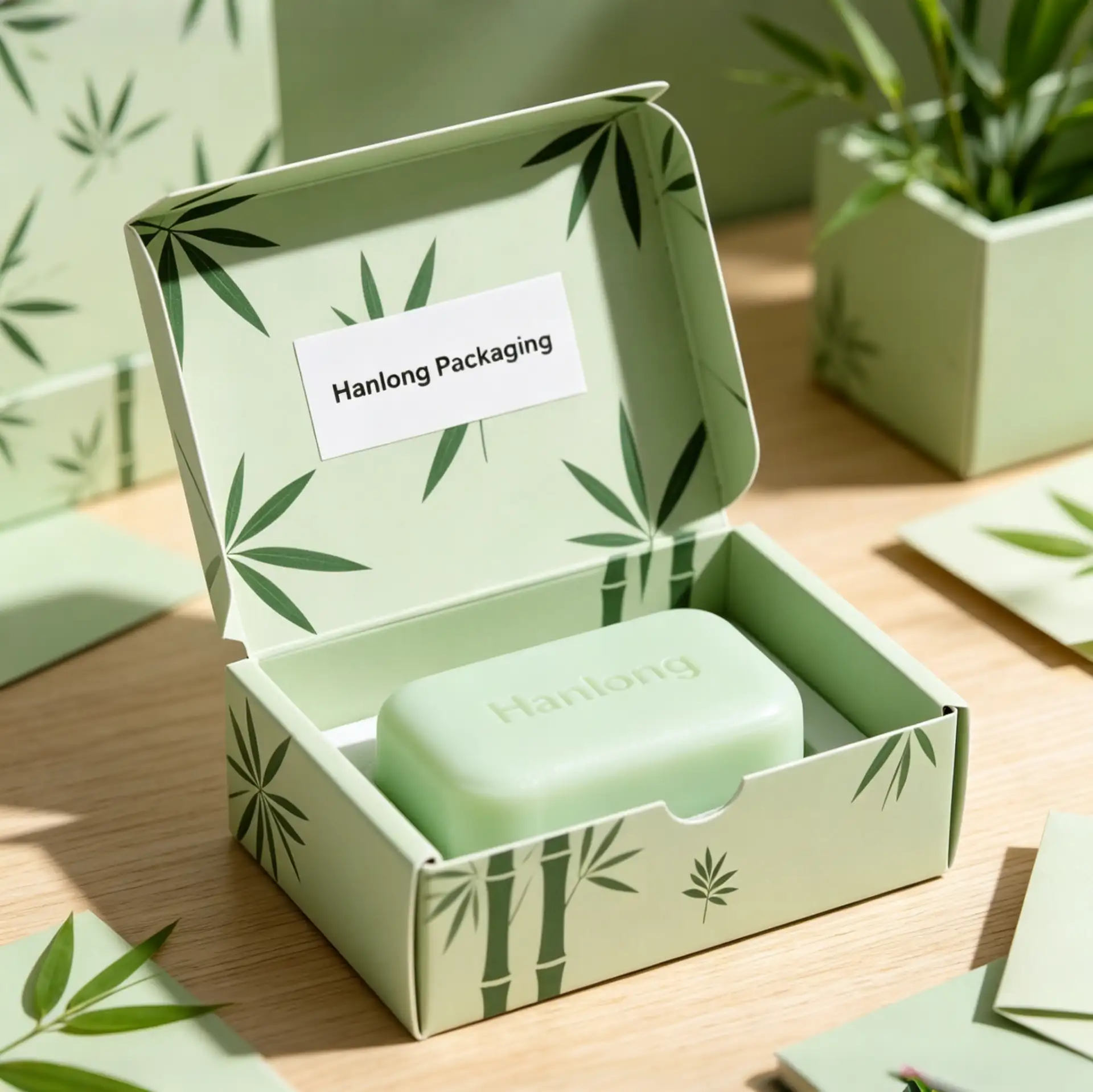
A kraft paperboard box can communicate a natural, approachable image for tea, snacks, grains, and wellness goods. White card gives sharper color reproduction for nutrition panels, product images, or premium retail graphics. Corrugated board adds cushioning and stack strength for outer shipping.
For direct food contact, confirm the paper grade, coating, ink, and test documents before production. Food-grade packaging boxes should be supported by clear material and safety information. Recyclable paper, water-based inks, and carefully selected barrier coatings can support a lower-plastic direction without weakening the package.
For export projects, review the latest European packaging requirements and confirm the material path with your supplier before final artwork approval.
Make the Box Work for the Brand
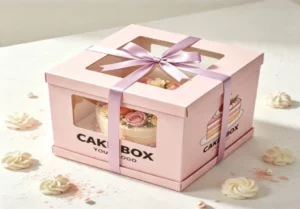
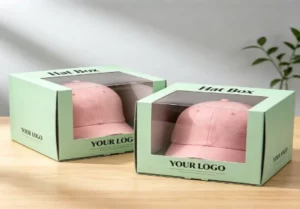
A shipping box can protect a product and still feel considered. The design should be easy to recognize, simple to open, and consistent across sizes. One supplement range can use the same visual system for 250 mL, 500 mL, and 1 L formats. For seasonal food, a birthday packaging box, book gift box, or folding gift box can make an assortment more memorable.
Keep Information Easy to Scan
Use the front panel for the product name, variety, flavor, or pack size. Place directions, storage information, origin, and recycling notes on the side or back. Clear hierarchy matters more than filling every panel.
Before production, review digital images and physical samples under normal lighting. A color that looks accurate on a screen may appear different on kraft paper, coated card, or a matte surface.
Hanlong Packaging develops structures from design and sampling through mass production and logistics. We can compare a kraft paperboard box, a white-card folding carton, and a corrugated outer case, then adjust the size and insert to match the product. Our goal is consistent performance from sample to shipment.
See our custom packaging service for structural design, sampling, printing, finishing, quality checks, and delivery coordination.
Use a Simple Buying Process
A clear buying process reduces costly changes after printing. It also gives the supplier enough information to recommend a structure based on performance rather than guesswork. For food and supplement projects, keep product, quality, marketing, and logistics requirements in one shared specification.
- Step 1 – Define the use:single shipment, retail display, takeaway service, subscription parcel, or gift set.
- Step 2 – Confirm dimensions:measure the product with every inner component and state the packed weight.
- Step 3 – Select materials:choose food-grade paper, kraft, white card, corrugated board, or a combination.
- Step 4 – Request samples:check fit, closure, print, moisture resistance, stacking, and opening comfort.
- Step 5 – Test the journey:run drop, compression, vibration, and temperature or humidity checks where relevant.
- Step 6 – Approve production:sign off the sample, artwork, material, quantity, and delivery schedule.
Conclusion
Buying shipping boxes for different product sizes works best when the product journey leads the decision. Measure the packed item, identify its risks, and match the structure to its weight, moisture, heat, handling, and sales channel.
Food brands may need grease resistance and ventilation; supplement sellers may need stable inserts and clean, trustworthy presentation. Right-sized corrugated cartons can reduce movement and shipping waste, while kraft and white paperboard options support different brand positions.
A reliable supplier should provide samples, testing, material information, and consistent mass production. When these points are reviewed together, the box becomes more than an outer layer: it protects the product, supports compliance, and helps the customer feel confident about what arrives at the door.
FAQs
Q: What are good shipping boxes for different product sizes?
A: Use snug mailers for small pouches, dividers for bottles, and reinforced cartons for 5 kg cases.
Q: Can supplement packaging boxes hold 1 L bottles?
A: Yes. Use fitted inserts and test the full 1 L packed weight before production.
Q: What size food shipping box suits takeaway meals?
A: Common formats hold 1 meal, 2 meals, or 5 kg family packs, depending on the food and structure.