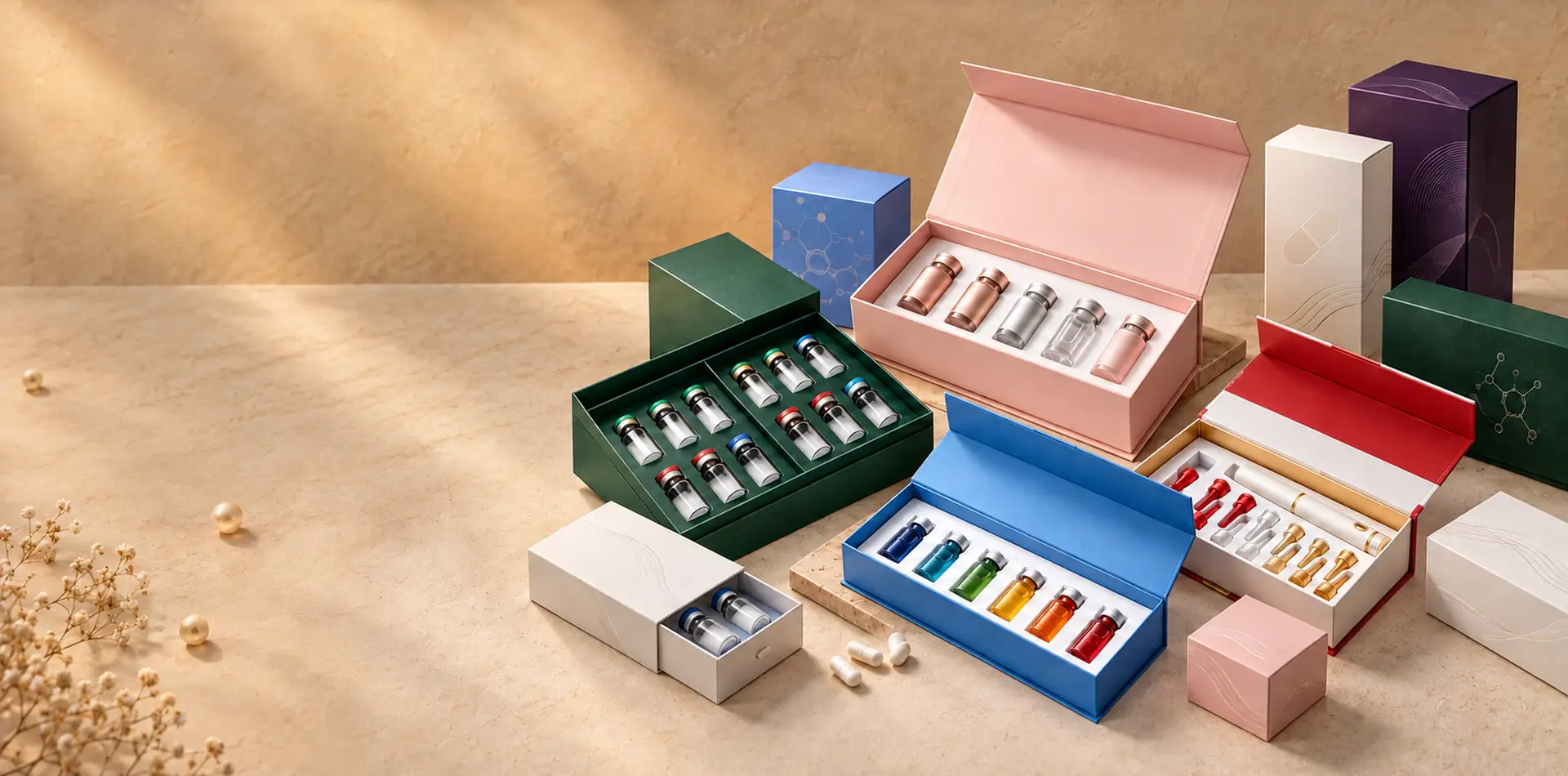
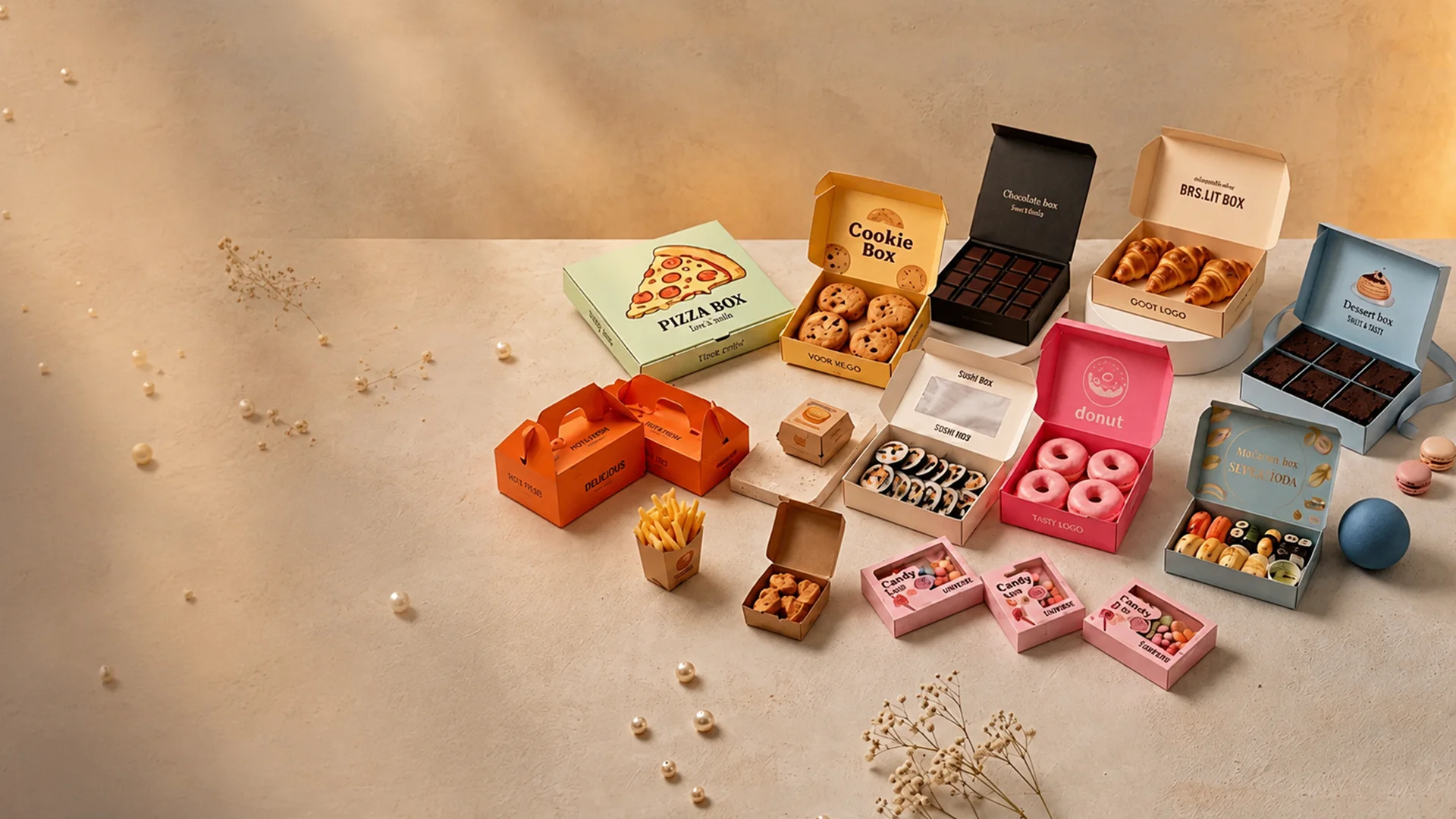
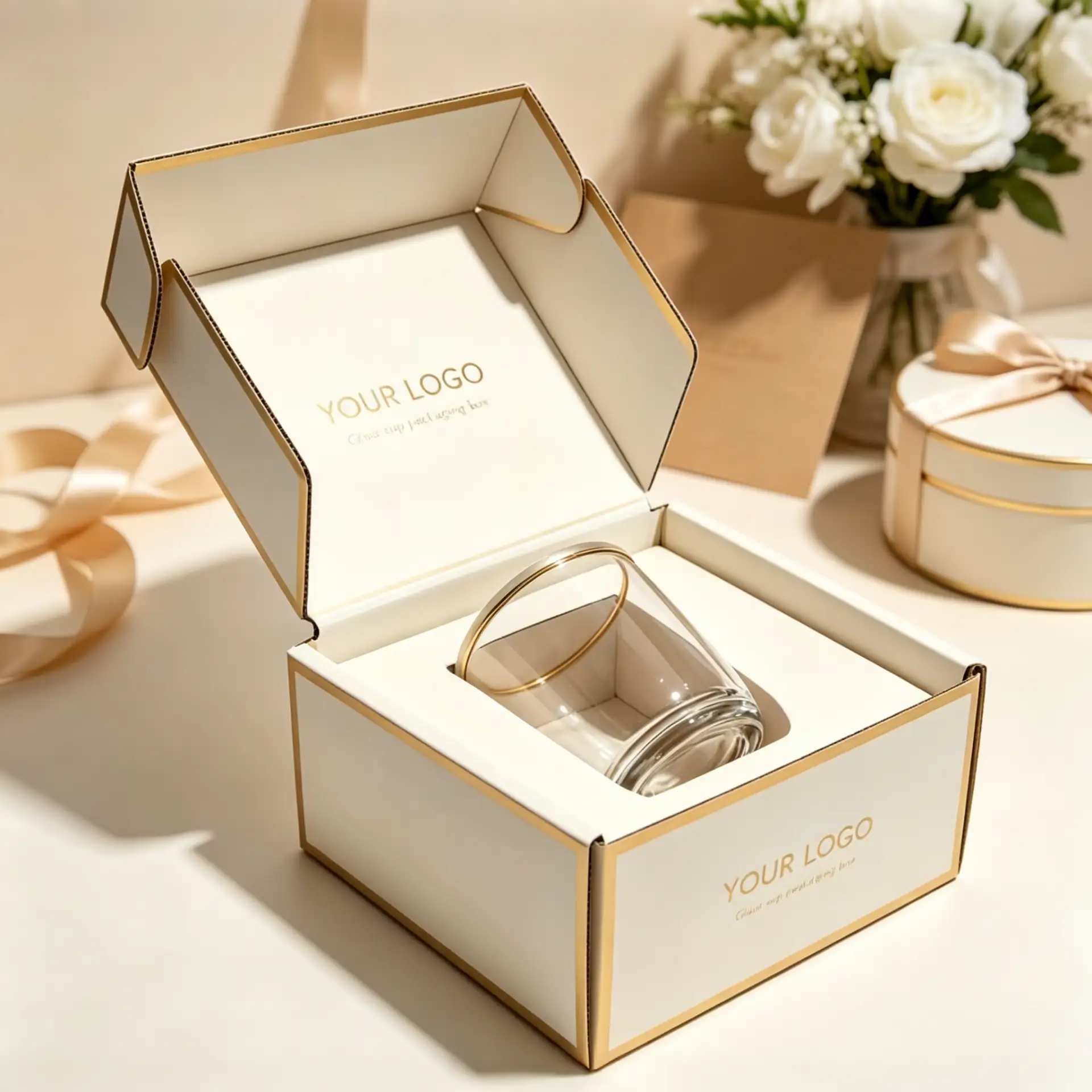
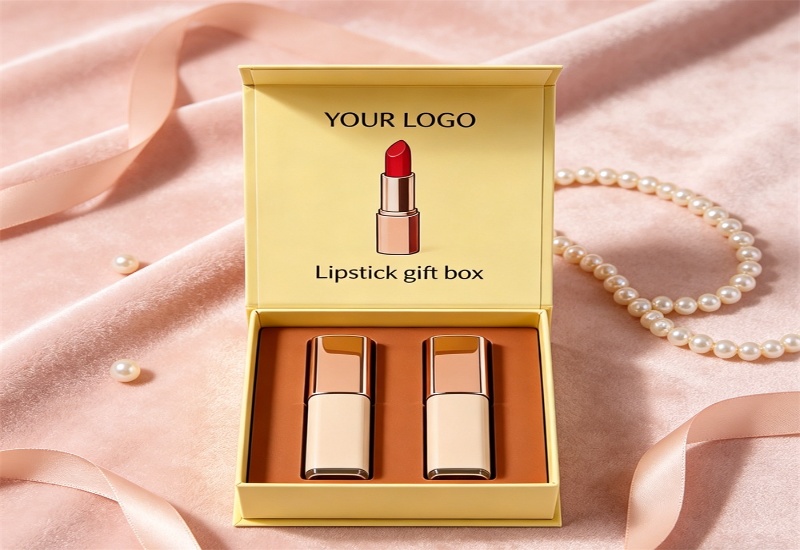
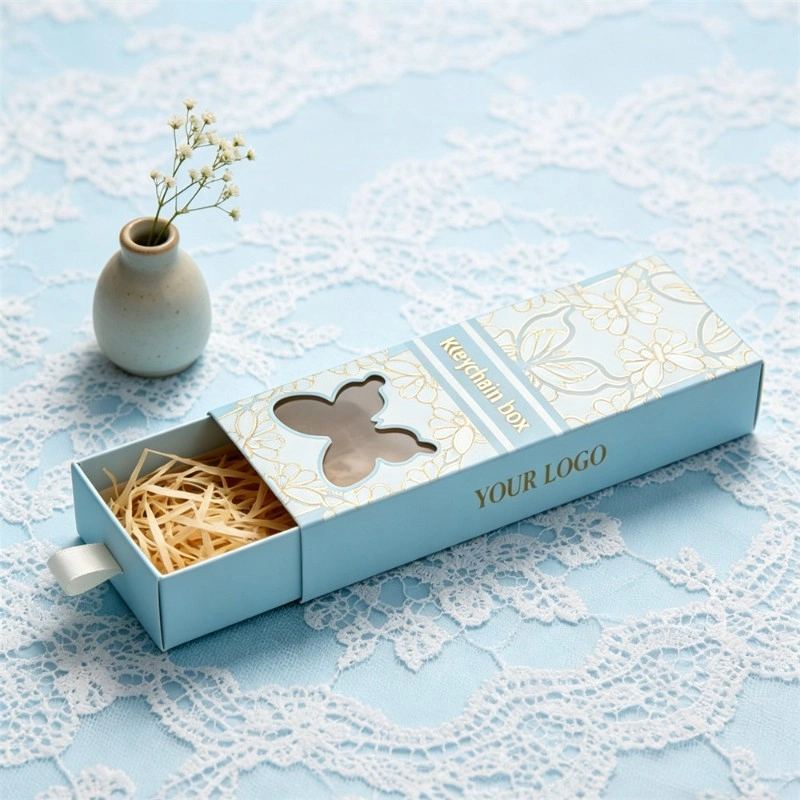
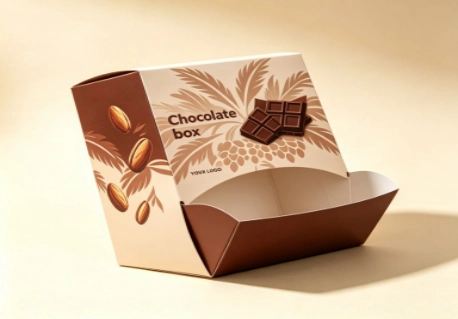
A lipstick is “jewelry in the bag”, and its packaging is the first display stand for this jewelry. For beauty brands, the stiffness, touch, and opening-and-closing sound of packaging directly define the brand’s high-end positioning. A lipstick with a floppy lid, peeling logo, or loose inner tray during delivery will make customers doubt the quality of your entire product line.
Hanlong Crafts has deep roots in packaging for 10 years. We only focus on creating luxury-level texture with paper.
Fix the Three “Fatal Flaws” of Paper Lipstick Boxes
Before choosing a supplier, check if your brand is suffering from these hidden costs:
Pain Point
Consequence
Hanlong Solution
Floppy & weak box
Feels light and collapses when squeezed; cannot support a high-price positioning
Thickened gray board + high-gram laminated paper: No material reduction, solid hand feel
Loose / too-tight inner tray
Lipstick wobbles or is impossible to pull out; terrible user experience
Precision die-cut tray: High-resilience EVA or flocked paper tray with high-precision slots, tight fit without scratching the tube
Weak magnet / stiff snap
Weak magnet fails to close; strong magnet is hard to open with one hand; hinge breaks easily
Hidden magnetic closure + optimized structure: Built-in magnet; widened and reinforced hinge for fold resistance
Hanlong Engineer Tip:Lipstick boxes hate “white edge exposure” (raw gray board showing at cuts). Hanlong uses fully automatic film laminating to ensure tight wrapping, round and full edges, no burrs or white edges.
Paper Box Library — Interpret Luxury with Paper
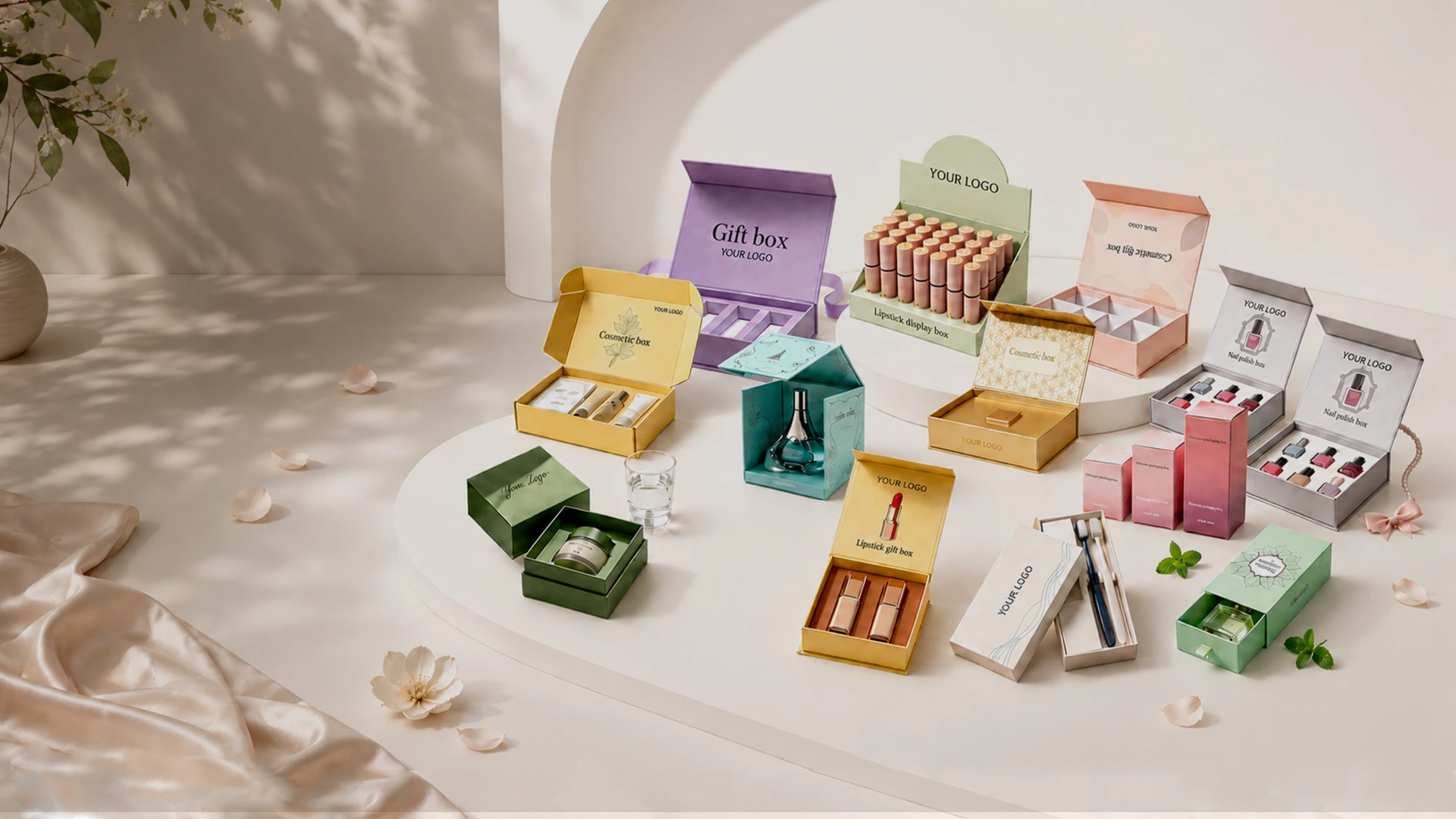
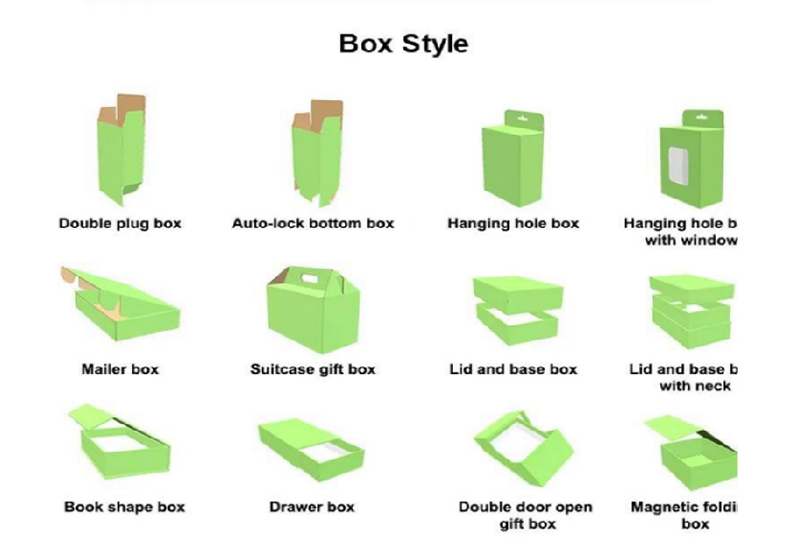
Hanlong provides all-paper structural solutions for lipstick packaging:
Box Type
Structural Features
Best For
Hanlong Craft Advantages
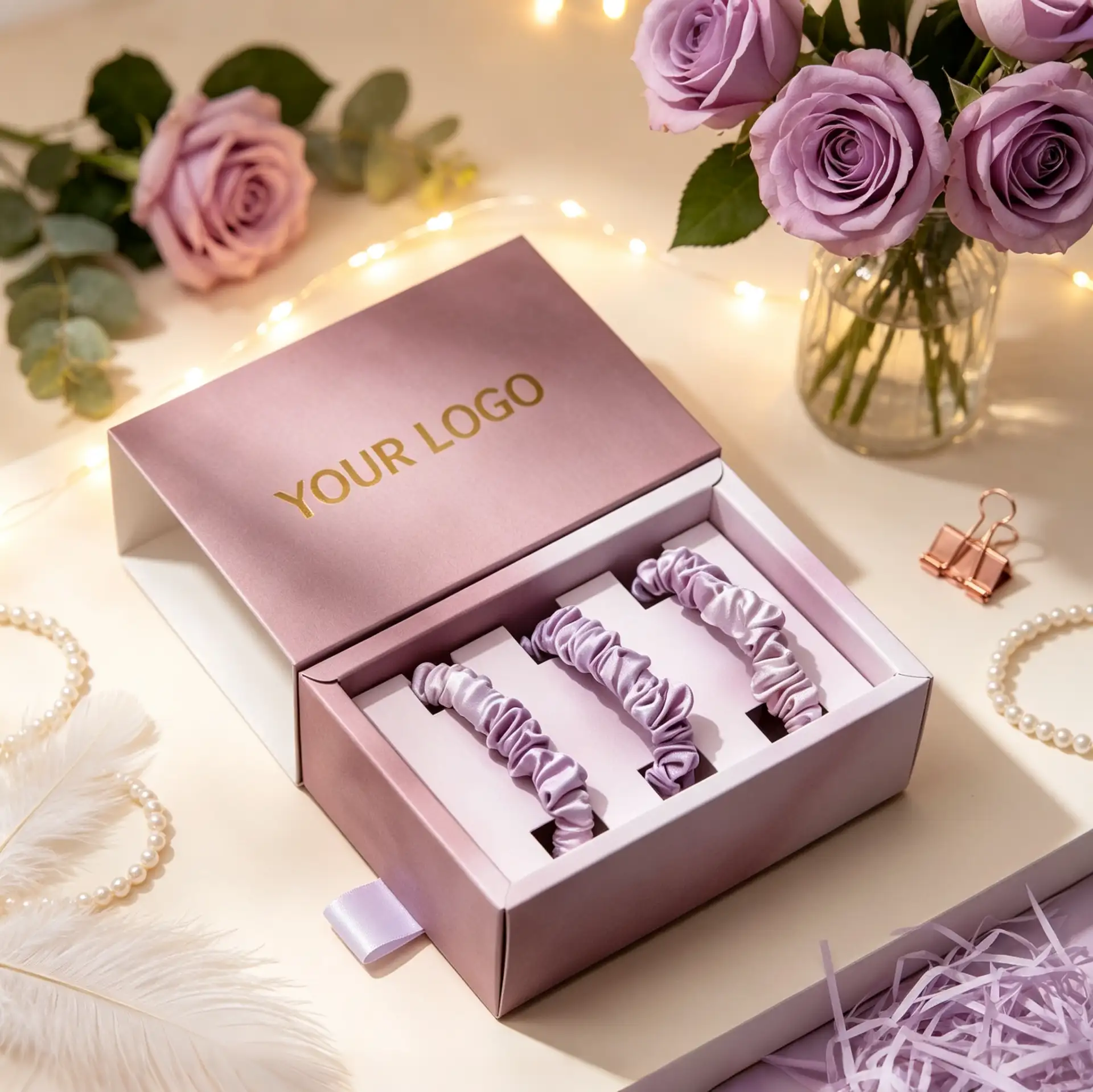
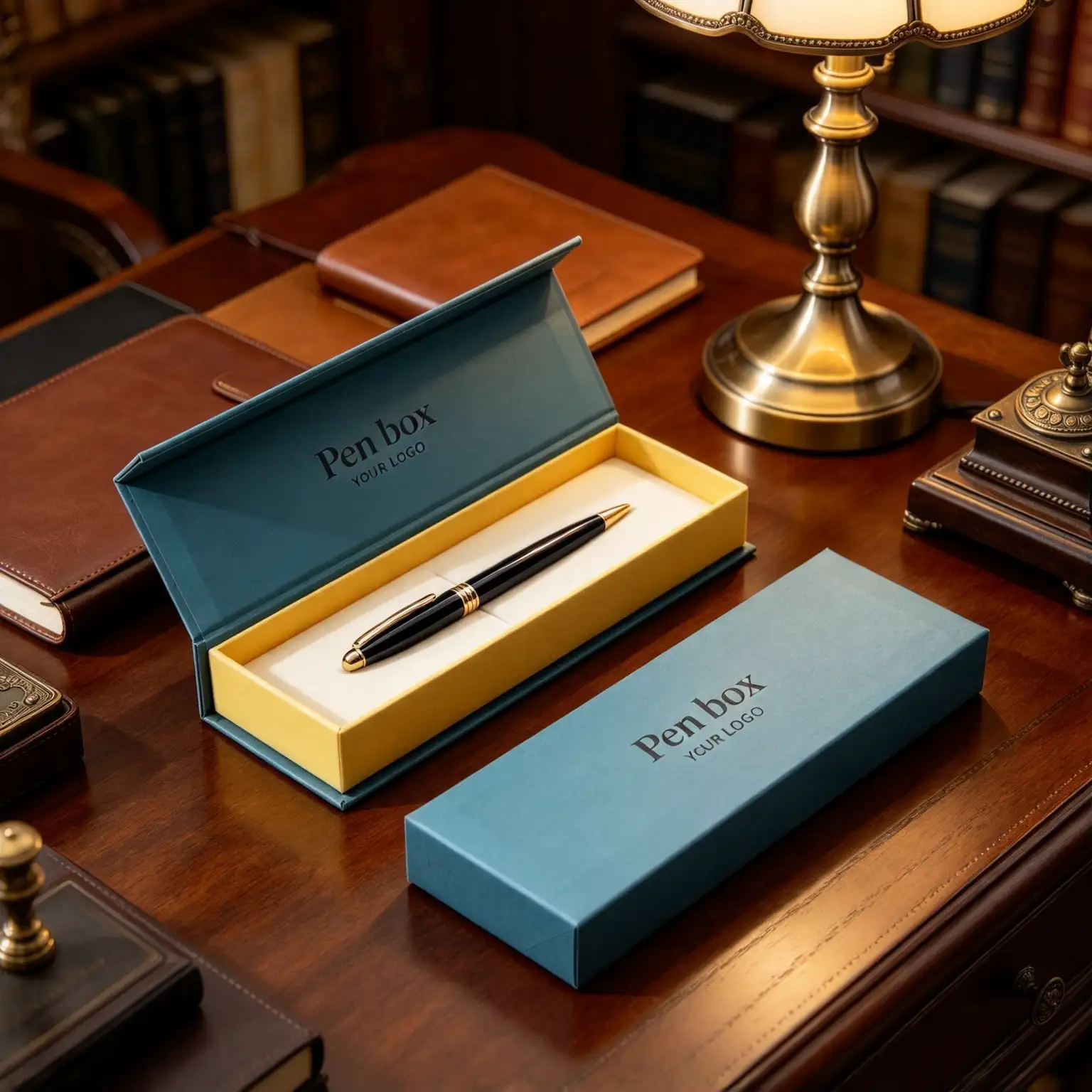
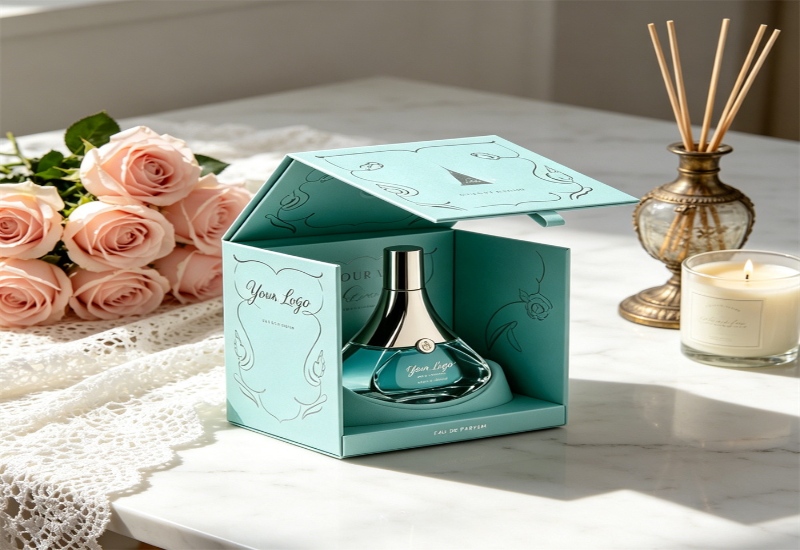
Magnetic Flip Box
All-paper flip, built-in magnet, crisp closing sound
High-end regular lines, luxury alternatives, flagship products
Double-tab / butterfly snap: Paper clasps inside for structural fun
Drawer Box
Paper slide rail, smooth push-pull, combinable
Lipstick + perfume / perfume card / mirror
Anti-derail design: Stop edge at the end to prevent falling out
Heaven-and-Earth Cover Box
Classic paper structure, stable & pressure-resistant
Regular retail, e-commerce delivery, promotion packs
Anti-pinch chamfer: Slight bevel on lid for easy, safe opening
Book-style Flip Box
Opens like a magazine; good for brand storytelling
Designer brands, IP collaborations, limited editions
Paper ribbon clasp: Specialty paper strip instead of ribbon, eco-friendly & integrated
Special-shaped Display Stand
Cylindrical, diamond, all-paper assembly
Counter display, viral social media styles
Seamless joining: Smooth bends, leather-like flexibility
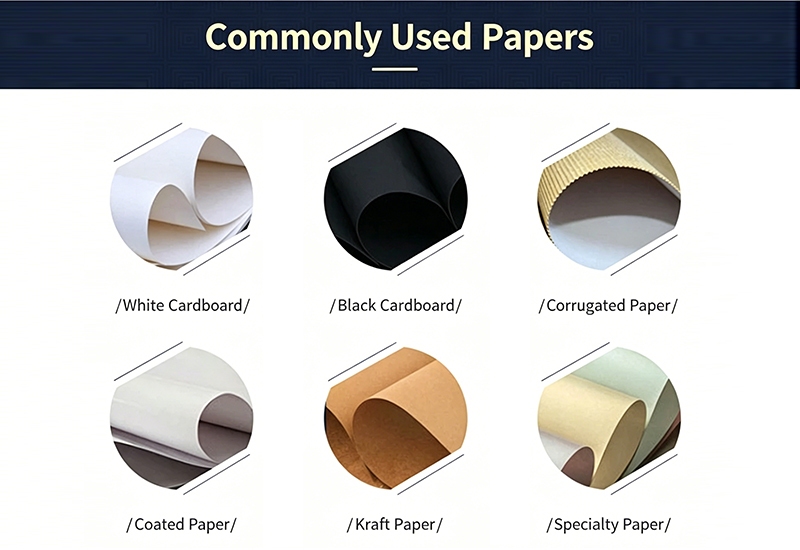
Paper Material Selection — Touch Is Brand
Instead of metal or plastic, we perfect the tactile experience of paper:
Material System
Core Advantages
Eco-feature
Typical Use
Soft-touch paper / fine linen
Fine frosted texture, silky touch, fingerprint-free
FSC-certifiable
High-end lines, matte lip gloss, vintage red tubes
Leather-like paper
Deep texture, heavy look, classic luxury
Synthetic coating
Classic red lip, luxury brands, men’s gift boxes
High-brightness art paper
Excellent color reproduction for complex patterns
Recyclable
Girly styles, spring–summer trends, collaboration lines
Black card / dark blue card
Deep & mysterious; maximizes metallic logo shine
Recyclable
Niche brands, cool styles, evening collection
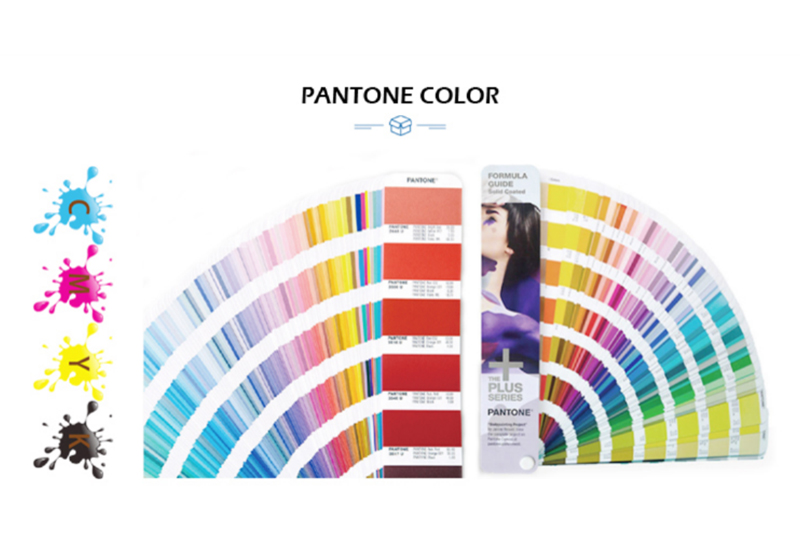
Printing Crafts — Bring Paper to Life
Craft is the soul of packaging.
Gold / silver stamping: Reject cheap bright gold. Hanlong recommends matte gold, antique bronze, or iridescent gold for multi-layer luster.
Embossing / debossing: Logo pressed without ink. This minimal craft shows natural paper texture and never wears off.
Spot UV: Highlights patterns on matte surface for layered depth.
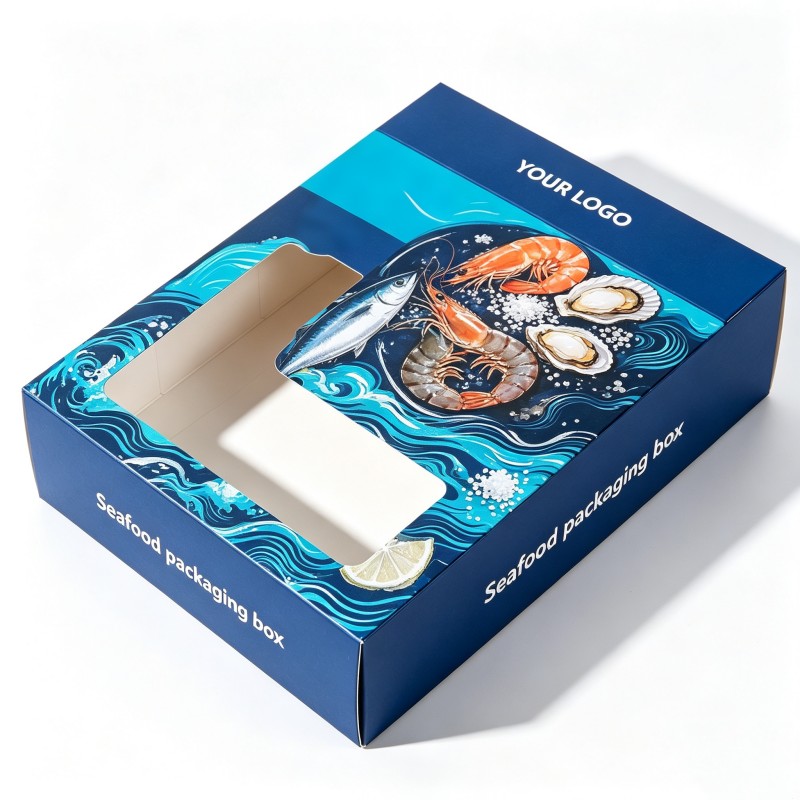
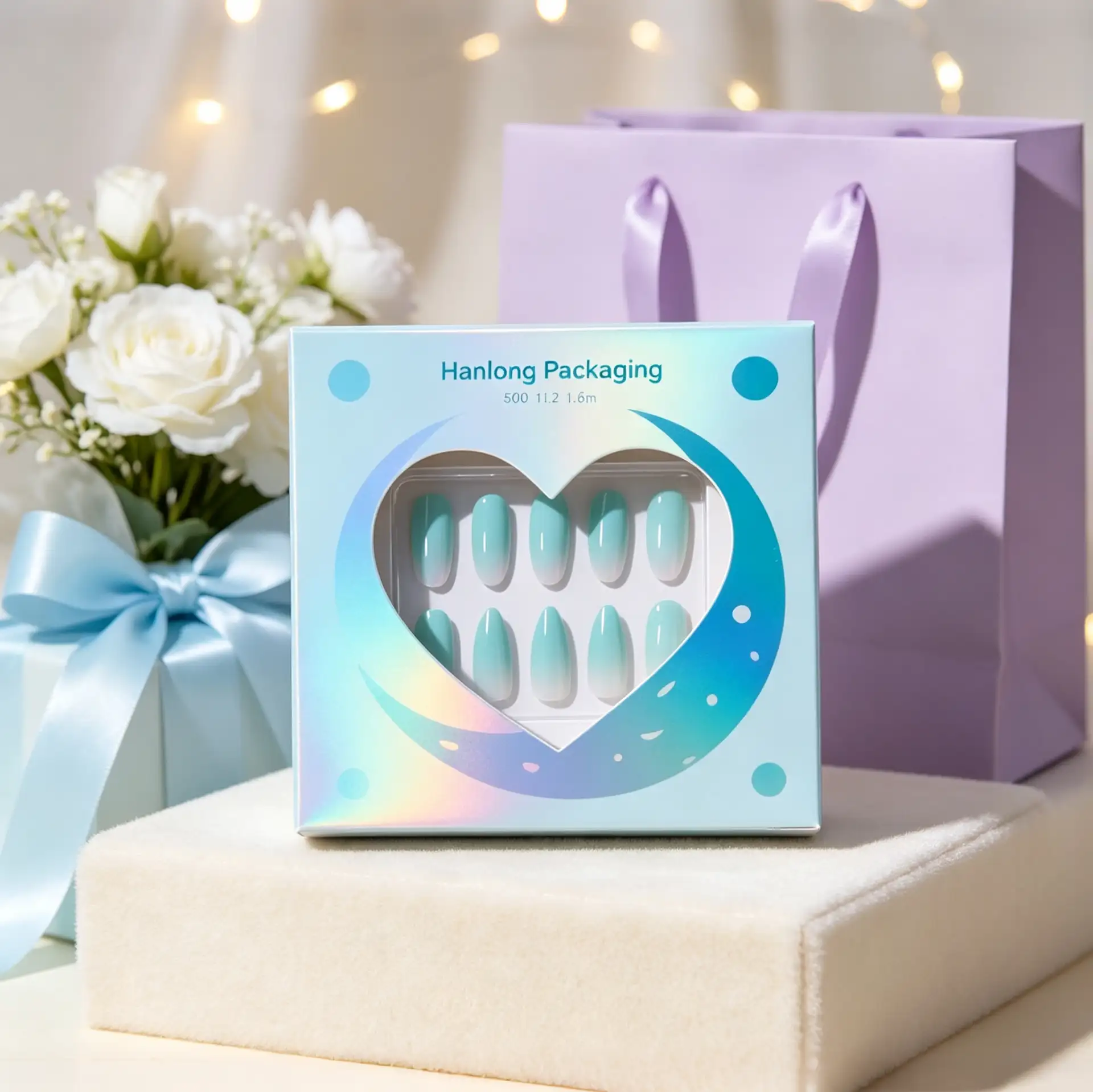
Cutout window: Subtle cut on lid to reveal the lipstick tube inside for understated luxury.
Hanlong Brand Consultant Tip:The strength of paper packaging is its gentle texture. Do not overstack crafts. A super-soft paper with a delicate embossed logo is often more luxurious than a box covered in glitter.
Hanlong One-Stop Paper Packaging Solution
As your packaging partner, Hanlong provides full paper solutions from production to vanity.
1.Full-chain paper packaging: Unified visual standard for single lipstick boxes, gift sets, cosmetic cases, and e-commerce shipping boxes.
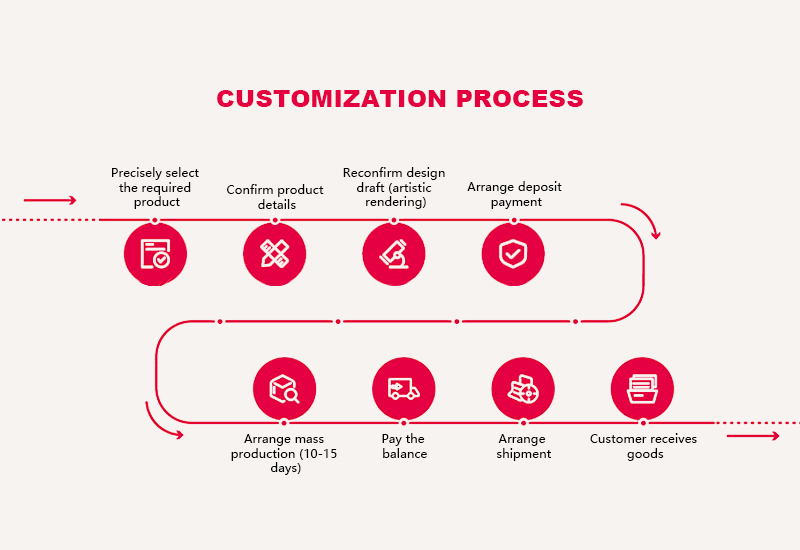
2.1-on-1 customization: Paper structure is sensitive to humidity, glue, and pressure. Paid proofing and drop testing ensure no delamination or cracking in mass production.
3.Cost optimization: Optimize paper grammage and layout without losing touch or stiffness, improving profit margins.
4.Capacity support: Advanced printing and die-cutting equipment. Mass production quality = sample quality, zero delivery delay, zero compromise. Supports peak periods like new launches and live streaming sales.
Ready to make your lipstick a work of art in customers’ bags?