




Sustainable Retail Packaging in 2026: Practical Choices for Fruit, Toothpaste, and Supermarket Products
-
 author
- 19th November 2026
Retail packaging has entered a highly demanding phase. Buyers still want strong shelf impact and fair costs. However, they must also answer tough questions about materials, food contact, empty space, and recycling. In Europe, the Packaging and Packaging Waste Regulation (PPWR) started to apply on August 12, 2026. At the same time, supermarkets are giving extra space to private-label goods. They also focus heavily on ready-to-eat food and online grocery orders.
For fruit suppliers, oral-care companies, food producers, and retail purchasing teams, this shift is practical rather than abstract. A box must now protect the product. It must move smoothly through packing lines. It needs to fit store displays perfectly. Furthermore, it has to support clear environmental claims. The best sustainable retail packaging begins with the product journey. It does not start with a trendy material.
Why Retail Packaging Decisions Feel Different in 2026
The new EU packaging rules restrict PFAS above set limits in food-contact packaging. They also introduce further steps in stages. Harmonised sorting labels are planned to begin from 2028. Meanwhile, recyclability and waste-reduction measures will become much more vital toward 2030. Buyers therefore require packaging records that can survive strict review. Vague green language is no longer enough.
Retail economics are shifting too. Recent grocery retail research highlights growth in private label, food-to-go, and online retail. Shelf-ready formats and corrugated displays are also expanding. This creates a highly specific design brief. Brands must use material carefully. They need to keep packing simple. Finally, they must give stores a format that moves rapidly from carton to shelf.
Match the Package to the Product Risk
A fruit punnet, a toothpaste carton, and a takeaway meal might sit in the same supermarket. Yet, they fail in completely different ways. Fruit easily bruises and loses moisture. Toothpaste tubes can be crushed. They might also be confused with similar variants. Hot or oily food can quickly soften paperboard. Excellent packaging work begins by ranking these risks. Only then should you choose board, coating, structure, or print.
Fruit Packaging Must Balance Airflow and Protection
Fresh fruit requires proper ventilation. However, adding more openings does not always create a better box. Large holes can weaken side walls. This exposes soft produce to dangerous pressure. Small vents placed around likely heat and moisture zones usually offer a better balance. The board grade must also handle cold storage and short periods of condensation. It needs to support the stacking height and the exact weight of the fruit.
For 1 kg, 2 kg, or 5 kg fruit packs, buyers should test the completely filled box. Testing an empty sample is not enough. Useful checks include:
· Compression testing after cold-room conditioning
· Vent placement around the actual fruit pattern
· Carry strength at hand holes and box corners
· Print resistance to rubbing and surface moisture
· Shelf visibility when several packs are stacked together
A custom fruit package can also work as a display tray. A tear-away front or a low wall improves product visibility. At the same time, a strong base supports faster restocking. This feature is highly useful for supermarkets. They want fewer handling steps in busy produce areas.
Toothpaste Boxes Need Clarity and Line Efficiency
Toothpaste packaging boxes perform a distinct job. The folding carton must protect a flexible tube. It needs to remain perfectly square on the shelf. It also has to carry a huge amount of readable information. Size is strictly critical. Too much internal space wastes paper. It also lets the tube move around. Conversely, too little space slows down packing. It may even damage the carton flaps.
Clear variant coding matters deeply when one range includes multiple flavours, age groups, or functions. Colour can easily guide shoppers. However, key text should always remain simple to read. A clean white-cardboard surface supports fine print, barcodes, and batch details. It also ensures controlled colour. Tamper-evident structures or seals might be added. This depends on whether the market and filling process require them.
Production teams should review grain direction and crease depth. They must also check glue areas and carton opening force. These minor details affect whether boxes run smoothly on a packing line. A beautiful carton that constantly jams a machine is never a successful retail package.
Supermarket Food Packs Face Heat, Oil, and Speed
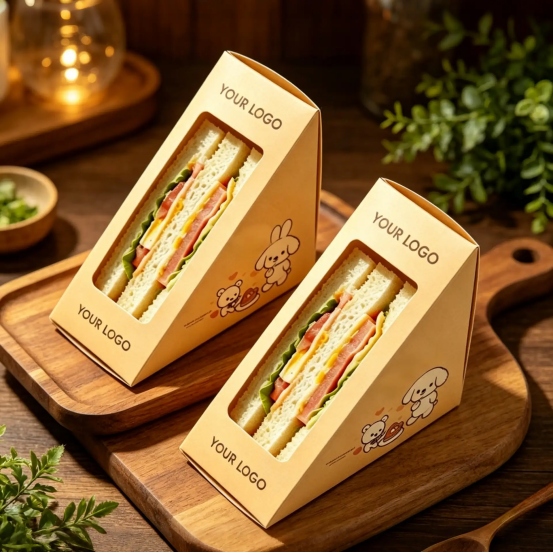
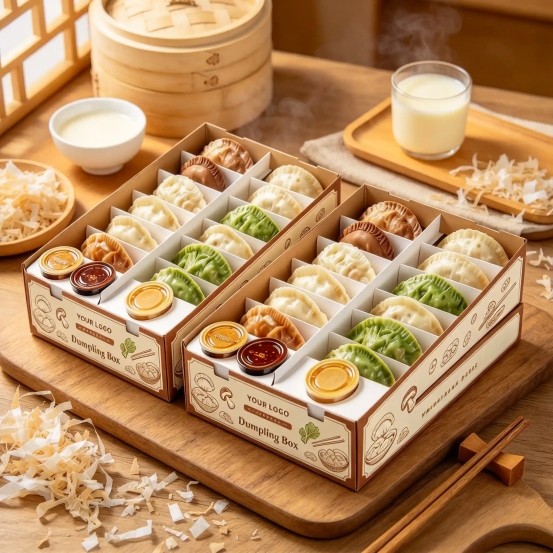
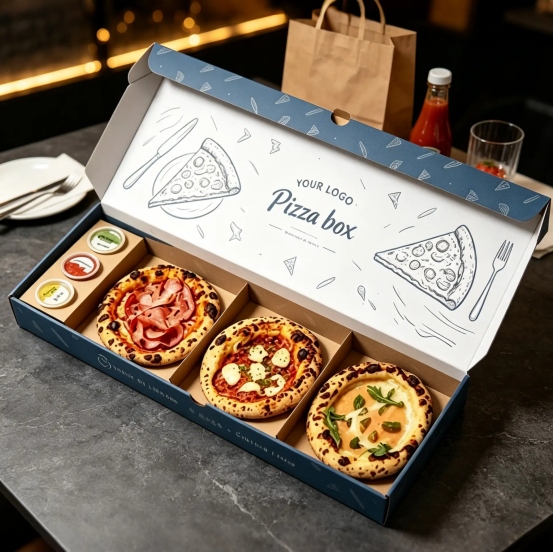
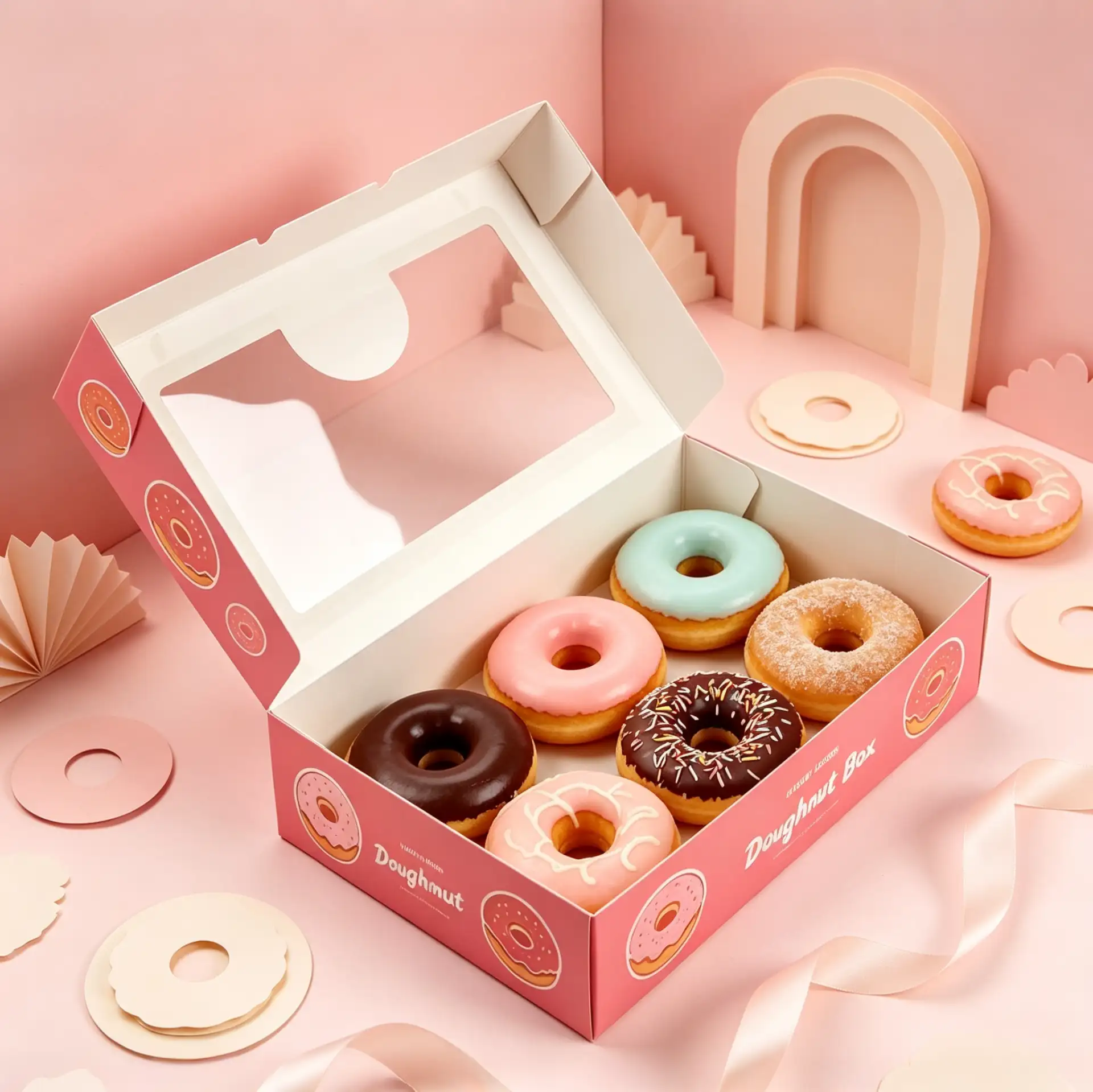
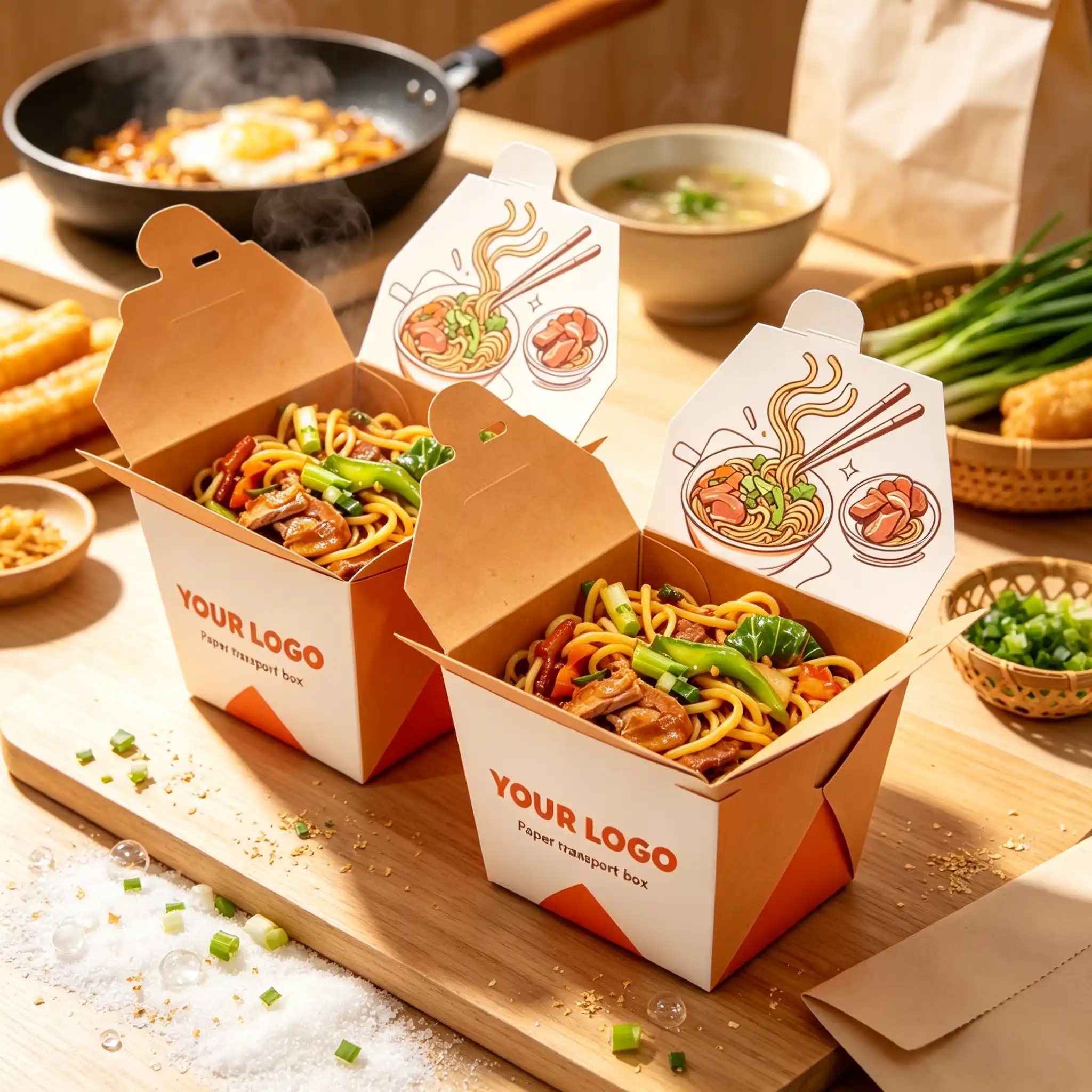
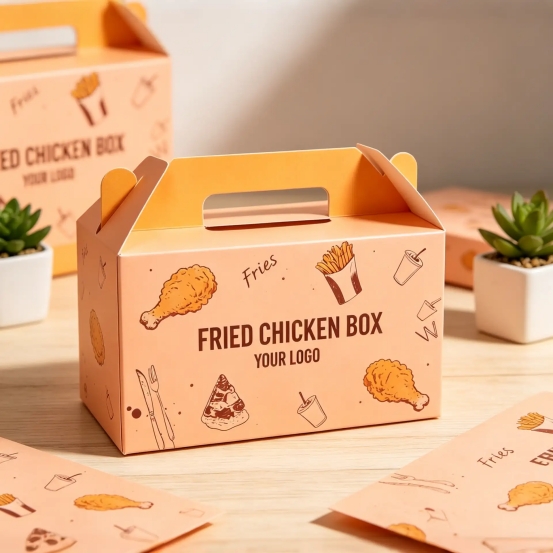
Food-to-go demand has massively increased the need for sandwich packs, bakery boxes, and fruit trays. Pizza cartons and fried-food containers are also in high demand. Each food creates a unique mix of grease, moisture, heat, and ventilation. A universal coating or structure rarely performs well across all of these items.
For fried or baked food, trapped steam can ruin the texture. Well-placed vents release moisture. They do this without leaving the product exposed. For chilled fruit or salads, the main worry might be condensation and board stiffness. Direct-food-contact materials should be chosen carefully. You must keep the destination market, food type, temperature, and contact time in mind. PFAS restrictions make documented barrier choices highly important for European orders.
Build Recyclability Into the Structure
Recyclable paper packaging is not achieved by altering one material name on a specification sheet. Board, coating, window film, adhesive, ink, and decorative finishes all affect the final pack. The design team should eliminate parts that add minimal value. They must also confirm how necessary barriers or windows affect the expected recycling route in the target market.
Use Less Material Without Creating More Damage
Lightweighting can decrease material use and freight weight. However, weak packaging might cause crushed goods, food waste, and expensive returns. The correct target is the lowest material level possible. This level must still survive filling, stacking, transport, store handling, and customer use.
Structural changes often save far more material than simply selecting thinner board. A locking base might reduce tape usage. Better-fitting dividers can easily replace excess padding. Standardising two or three carton sizes across related products is also smart. It may lower inventory levels and reduce changeover work. These smart choices are valuable for large supermarket programmes. They also help smaller food businesses with limited storage space.
Ask for Evidence Behind Environmental Claims
Terms such as “eco-friendly” are far too broad for serious purchasing. Buyers should always ask what the claim refers to. It might mean certified fibre sourcing, recyclability, or reduced plastic. It could also mean lower board weight or a specific food-contact test. Buyers should also request current documents. These must match the exact material and factory involved in the order.
At Hanlong Packaging, we draw on vast experience with food, fruit, toothpaste, and supermarket projects. We use this knowledge when discussing structure and material choices. Our paper packaging products include food boxes, fruit boxes, and toothpaste cartons. We also offer cardboard boxes and corrugated formats. Project-relevant documents may include FSC, ISO 9001, HACCP, and BSCI. Testing records are provided where applicable. Buyers should always confirm the exact certificate scope for their specific product and destination.
Turn One Package Into a Better Retail System
Packaging is much easier to manage when it is treated as part of a complete system. The primary box, shelf-ready tray, shipping carton, labels, and pallet pattern should all be reviewed together. This process reveals repeated material and wasted space. It also highlights awkward handling and colour differences. This must happen before mass production begins.
A robust development process should cover these essential steps:
1. Define the product weight, dimensions, contact conditions, sales channel, and destination market.
2. Identify the primary failure risks. These range from moisture and grease to crushing and barcode damage.
3. Choose a structure and material route. Then, make a physical sample.
4. Test the filled pack under realistic storage, transport, and display conditions.
5. Approve colour, fit, finish, and documents prior to bulk production.
Hanlong Packaging supports this path through custom packaging services. These cover box style, material, colour, printing, finishing, and production. We use samples to check fit and appearance before a full run. This applies to both large programmes and smaller food customers. Our goal is to reach a repeatable specification. We do not merely want to choose an attractive box.
Conclusion
Sustainable retail packaging in 2026 must handle several jobs at once. It must protect products and work efficiently on packing lines. It needs to support fast restocking and communicate clearly. Finally, it must meet tighter material rules. Fruit packs require proper ventilation and stacking strength. Toothpaste cartons depend heavily on precise size, readable information, and smooth machine handling. Supermarket food boxes need barriers and vents selected for the real food and temperature. Buyers can lower risk by testing filled samples. They should review every single material layer. They must also ask for documents that match the order perfectly. A packaging partner with deep experience across these categories can spot likely failures early. They can guide the project seamlessly from structure through production. The end result is a highly practical pack. It serves the product, the retailer, and the recycling system.
FAQs
Q: What sizes suit custom fruit packaging?
A: Common retail formats include 1 kg, 2 kg, and 5 kg. The structure must be tested for the actual fruit.
Q: Can sustainable retail packaging hold oily food?
A: Yes. You must select a documented food-contact barrier. This should match the food, heat level, contact time, and target market.
Q: Is there one ideal board weight for toothpaste boxes?
A: No. Tube size, carton dimensions, and packing speed matter. Stacking load and delivery route also determine the suitable board.