




How Do Retail Fruit Boxes Improve In-store Displays and Customer Engagement?
-
 author
 - 7th August 2026
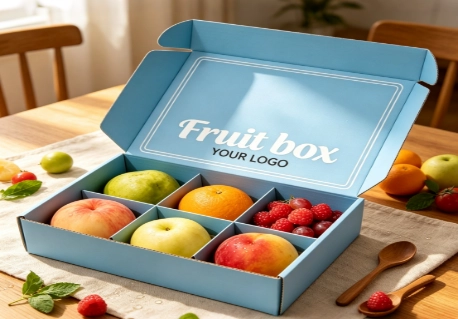
From August through winter, retail produce sections fill with grapes, apples, pears, persimmons, pomegranates, and citrus. These fruits differ in weight, skin strength, moisture loss, and buying occasion. A shipping carton may move them safely to a store, but it does not automatically help shoppers judge freshness, compare varieties, or carry the fruit home. Well-designed retail fruit boxes bridge that gap.
They protect produce while turning a loose group of fruits into a clear and valuable offer. A window can show color and ripeness. A strong paperboard frame keeps the pack tidy when shoppers lift it. Printed panels explain origin, grade, flavor, or serving ideas. Together, these details make the display easier to shop and more likely to earn attention.
How Retail Boxes Improve the In-store Display?
A fruit pack competes in a busy setting filled with bright produce, handwritten price cards, refrigerated shelves, and constant handling. Good display packaging creates order without hiding the product. The following design choices help retailers build a clean presentation while allowing customers to understand the offer in seconds.
They Create a Strong Visual Block
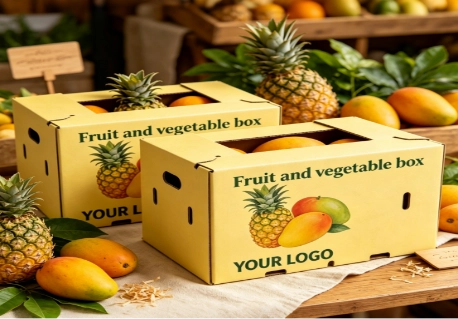
Repeated box shapes form a neat color block across a shelf or produce table. This is especially useful for premium pears, gift-grade apples, pomegranates, and citrus assortments. Consistent front panels make the brand easy to find from several meters away, while a controlled window or open-top structure lets the natural fruit color remain the main attraction.
A strong visual block also separates premium fruit from loose produce. Shoppers can quickly identify the product as a selected grade, seasonal collection, or gift option. This distinction can support a higher perceived value without relying on excessive decoration.
They Make Seasonal Differences Easy to Read
Late-season fruit often includes several cultivars with similar appearances but different tastes. Clear information on the main panel can distinguish crisp from soft pears, sweet from tart apples, seeded from seedless grapes, or easy-peel from juicing citrus. Large type, simple icons, and restrained color coding reduce decision time without crowding the design.
A useful information hierarchy starts with the fruit name and variety, followed by pack weight, origin, grade, and a short flavor description. Secondary panels can carry storage guidance and serving ideas. This approach respects shoppers who want a fast choice while giving detail-oriented buyers enough information to feel confident.
How Packaging Builds Customer Engagement?
Engagement in a produce aisle does not require a complicated promotion. It begins when a pack invites a shopper to look, touch, learn, or imagine a use for the fruit. Effective fall fruit packaging combines physical interaction with credible information, then gives interested customers a simple way to continue online.
Visibility and Touch Reduce Purchase Doubt
Shoppers judge fruit with their eyes first. A die-cut window can reveal color and surface condition, while ventilation openings may support airflow when the product and supply chain require it. The opening must be placed carefully. If it is too large, the box may lose strength. If it is too small, customers may feel that the packaging is concealing quality.
Paper texture also sends a message. Natural kraft paper can support a farm-led, low-waste position. Smooth white card carries bright seasonal graphics and precise colors. For gift fruit, a rigid or corrugated structure can add substance without excessive decoration. Material choice should match the price point and handling conditions rather than follow a visual trend alone.
QR Codes Extend the Shelf Conversation
A small QR code can connect the physical pack to orchard origin, harvest date, grower practices, storage advice, recipes, or a loyalty offer. This is valuable for apples, pears, and citrus that may look familiar but have a specific regional story.
The linked page should load quickly, answer a real customer question, and work without registration. Keep the printed call to action specific. Phrases such as “Scan for harvest details” or “See three ways to serve this pear” give shoppers a clear reason to act. A vague “Scan me” message provides little value.
QR code fruit packaging can also help brands update seasonal information without placing too much text on the box. Different codes may be used for growing regions, harvest batches, retail markets, or limited seasonal campaigns.
Match the Box to the Fruit and the Retail Job
There is no universal fruit box. The right structure depends on bruise risk, pack weight, respiration, cold-chain conditions, and the way the retailer presents the product. Before selecting a style, map the complete journey from the packing line to the pallet, back room, display, checkout, and customer’s kitchen.
- Grapes: Use shallow, well-supported packs that limit movement. Vent patterns and moisture conditions must suit the product and distribution route.
- Apples and pears: Choose dividers or molded paper inserts for premium packs. Test stacking strength carefully for heavier family sizes.
- Persimmons and pomegranates: Use close-fitting cells or sleeves to reduce rubbing while leaving enough visible surface for quality inspection.
- Citrus: Select sturdy open-top trays or handled boxes for larger weights. Consider drainage and ventilation where required.
- Mixed fruit gifts: Use a rigid or micro-fluted base, clear product separation, and a carrying feature that remains comfortable at the full packed weight.
Shelf-ready fruit packaging may also reduce store labor. Tear-away panels, quick-opening trays, and pre-aligned packs allow employees to replenish displays more quickly. Fewer handling steps may reduce accidental bruising. However, every perforation and handle should be tested at the highest expected humidity and load.
Respond to Sustainability and Regulatory Pressure
Sustainability has moved from a side claim to a purchasing and procurement issue. Recent produce packaging research reports strong consumer and retailer interest in recyclable packaging.
At the same time, the EU Packaging and Packaging Waste Regulation is directing the market toward less waste, clearer labels, and packaging designed for recycling. These changes make simple and well-documented structures more valuable.
Use Less Material, but Protect the Fruit
Removing packaging without considering damage can create more fruit waste. The better goal is right-sizing: enough material to survive transport and handling, no unnecessary layers, and a clear end-of-life route.
A paperboard box with a paper insert may be easier to explain than a package built from several bonded materials, provided it still meets food-contact and performance requirements. Reducing empty space can also improve pallet efficiency and lower the amount of material used for each fruit pack.
Brands should request material specifications, food-contact documents where relevant, and a clear description of coatings, windows, inks, and adhesives. Broad environmental claims should be avoided unless they can be supported. Clear disposal instructions are more useful to shoppers than a long list of green-sounding terms.
Design for Recycling from the Start
Recyclability is influenced by the whole pack, not only the main paperboard. Large plastic windows, difficult-to-separate liners, heavy laminates, and decorative parts can complicate sorting.
Where visibility is needed, consider an open window or a small film element that customers can remove easily. Use finishes selectively and reserve them for information or brand details that add real value.
The European Commission’s packaging guidance states that all packaging in the EU should be recyclable by 2030, while the regulation begins to apply generally in August 2026. Exporters should treat this as a design brief now: document the material path, reduce empty space, and review each component according to the target market’s rules and recycling system.
A Practical Design Checklist for Better Retail Results
A strong box is built from measurable decisions. Before approving custom fruit packaging boxes, bring the grower, packer, retailer, designer, and packaging supplier into the same review. Each party sees a different failure point.
Use the following checklist to keep display appeal connected to protection and store operations:
- Product fit: Measure variations in fruit size and confirm that inserts do not create pressure points.
- Shelf fit: Check facing width, stack height, price-label space, and visibility from a normal shopping distance.
- Handling: Test lifting, carrying, repeated opening, cold-room moisture, and the full packed weight.
- Communication: Prioritize variety, origin, net weight, grade, storage guidance, and legally required information.
- Print: Use a clear type scale and strong contrast. Test colors under actual store lighting.
- End of life: Reduce mixed materials and provide short, market-appropriate disposal instructions.
- Trial: Run a small packing and retail test before mass production. Record damage, restocking time, and common shopper questions.
Testing should reflect real conditions. A box that performs well in a dry sample room may behave differently in refrigerated storage. Trials should include expected temperature, humidity, stacking time, carrying distance, and fruit weight.
How Hanlong Packaging Supports Seasonal Fruit Programs?
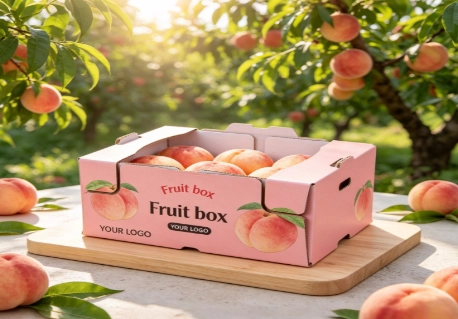
At Hanlong Packaging, we develop custom paper packaging products that balance display, protection, and practical production. For late-season fruit, we can adapt corrugated trays, white-card retail boxes, kraft structures, inserts, windows, and carrying features according to the fruit size and sales channel.
Our customization service covers structure, material, color, sampling, and production planning. We recommend physical samples and pack-out testing before a seasonal launch, especially for humid cold chains or heavier gift packs.
Our team can also discuss FSC-certified paper options, food-grade materials where needed, and printing choices that support clear recycling messages. Visit Hanlong Packaging to plan a retail box that looks strong on the shelf and remains practical behind it.
Conclusion
Retail boxes improve fruit displays when they make products easier to see, compare, handle, and trust. For grapes, apples, pears, persimmons, pomegranates, and citrus arriving in the second half of the year, structure must come before decoration. Strong walls, suitable ventilation, restrained windows, clear variety information, and convenient carrying features support both shoppers and store employees.
Sustainability adds another design test: the package should use only the material it needs and communicate a credible disposal route. A well-planned retail fruit box can reduce disorder, support seasonal storytelling, and turn a routine produce purchase into a confident choice. The best results come from real packing, transport, shelf, and recycling reviews before full production.
FAQs
Q: What pack sizes work well for retail fruit boxes?
A: Common options are 1 kg, 2 kg, and 5 kg, depending on fruit type and shelf space.
Q: Can retail fruit boxes hold heavier citrus packs?
A: Yes. Reinforced corrugated structures can carry 5 kg or more after load and humidity testing.
Q: How can QR code fruit packaging engage shoppers?
A: It can share origin, harvest details, storage advice, recipes, and seasonal offers in a few seconds.